
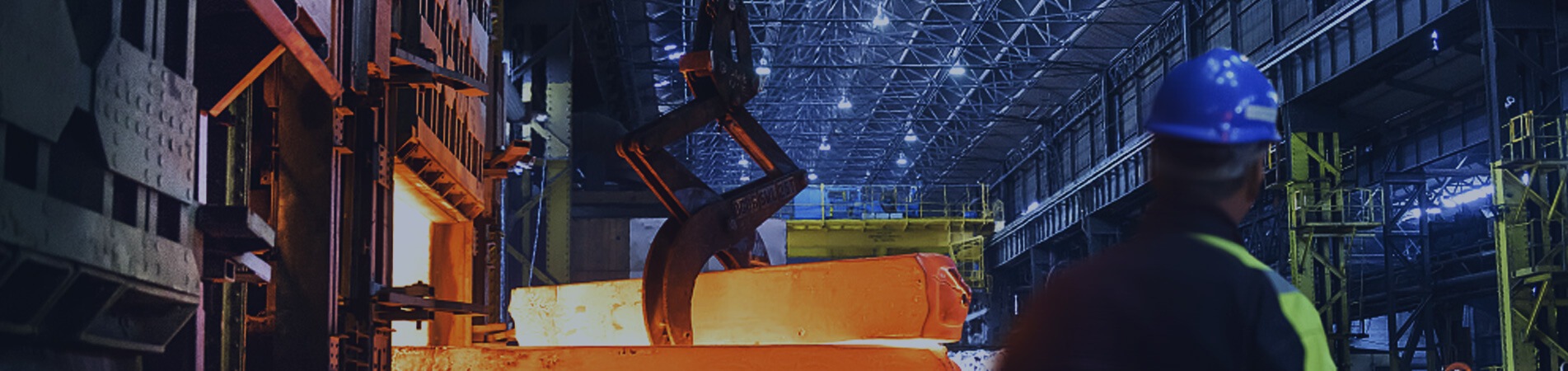
Steam Blast Furnace Modern Industrialization
Steam Blast Furnace & Modern Industrialization
How Steam-Integrated Blast Furnaces Are Reshaping Cost, Efficiency, and Long-Term ROI
In today’s steel and ironmaking industry, the question is no longer whether blast furnaces need to modernize —
the real question is how far, how fast, and with what level of risk control.
Rising energy prices, tighter environmental regulations, labor shortages, and pressure on margins have all pushed traditional blast furnace operations to their limits. Many plants are still running, but they are running too expensively, too rigidly, and too close to failure margins.
This is where steam blast furnace modern industrialization enters the conversation — not as a buzzword, but as a practical evolution path for plants that care about long-term survival and profitability.
Why Traditional Blast Furnace Models Are Under Pressure
Blast furnaces have powered industrialization for more than a century. They are robust, proven, and capable of massive output.
But traditional configurations come with structural disadvantages that modern plants can no longer ignore:
-
High coke consumption
-
Limited control over internal thermal balance
-
Significant energy losses in off-gas and waste heat
-
Long recovery times after shutdowns or disturbances
From a plant owner’s perspective, these issues show up as:
-
Unstable operating costs
-
Higher-than-expected fuel bills
-
Long payback cycles on capital investments
From an engineering manager’s perspective:
-
Narrow operating windows
-
Difficult process tuning
-
Increased maintenance stress
Modern industrialization does not mean replacing blast furnaces.
It means re-engineering how energy, steam, and process control interact inside them.
What Is a Steam Blast Furnace in Modern Context?
A steam blast furnace is not simply a furnace “with steam added.”
In modern industrial terms, it refers to a system-level integration where steam is introduced as part of:
-
Thermal regulation
-
Gas flow optimization
-
Energy recovery and reuse
When implemented correctly, steam integration helps:
-
Improve heat utilization
-
Stabilize furnace internal conditions
-
Reduce coke and auxiliary fuel consumption
The key difference between success and failure lies in system design and operational experience, not in hardware alone.
Reducing Equipment Working Time Without Reducing Output
One of the biggest misconceptions is that higher output always requires longer operating hours.
In reality, many blast furnaces suffer from inefficient working time:
-
Extended warm-up periods
-
Slow recovery after disturbances
-
Unnecessary idling due to unstable parameters
Modern steam blast furnace configurations reduce total equipment working time by:
-
Accelerating thermal stabilization
-
Improving gas distribution uniformity
-
Reducing temperature fluctuation zones
This allows furnaces to:
-
Reach optimal operating conditions faster
-
Maintain them more consistently
-
Recover more quickly from planned or unplanned stops
For owners, this means more usable output per operating hour, not just higher nameplate capacity.
Energy Cost Reduction: Where Steam Integration Really Pays Off
Energy cost is the single largest variable expense in blast furnace operations.
Traditional systems waste energy in several ways:
-
High-temperature off-gas not fully utilized
-
Poor heat recovery efficiency
-
Excess fuel input to compensate for instability
Steam blast furnace modern industrialization focuses on energy circulation, not energy addition.
Key benefits include:
-
Better utilization of waste heat
-
Reduced coke rate per ton of hot metal
-
Lower dependency on external energy sources
Across multiple modernization projects, plants typically see:
-
8–15% reduction in total energy cost per ton
-
More predictable energy consumption curves
-
Lower sensitivity to fuel price volatility
This directly shortens ROI cycles — a critical concern for decision-makers.
Output Stability: The Silent Profit Multiplier
Many managers chase peak output figures.
Experienced ones chase stable output.
A modern steam-integrated blast furnace improves:
-
Internal pressure balance
-
Gas permeability consistency
-
Thermal symmetry across furnace zones
The result is:
-
Fewer operational shocks
-
Lower risk of scaffolding or channeling
-
More predictable tapping schedules
For plant management, stability means:
-
Reliable delivery commitments
-
Lower penalty risks
-
Better customer trust
For technical teams:
-
Less emergency intervention
-
Clearer process control logic
-
Reduced stress on operators
Stability doesn’t show up on brochures — but it defines real profitability.
Compliance, Safety, and the Cost of Non-Compliance
Environmental and safety regulations are tightening globally.
Non-compliance today is not just a fine — it’s a shutdown risk.
Steam blast furnace modern industrialization helps address:
-
Emission control through better combustion efficiency
-
Reduced thermal shocks that increase structural risk
-
Improved monitoring and automation integration
Modernized systems are easier to:
-
Monitor
-
Audit
-
Certify
For owners operating in export-driven or multinational markets, this compliance readiness is not optional — it’s a license to operate.
Factory + Experience: Why Design Alone Is Not Enough
Many modernization failures come from one root cause:
design without operational experience.
On paper, steam integration looks straightforward.
In reality, improper steam ratios, control logic errors, or maintenance blind spots can create more problems than they solve.
That’s why we emphasize:
-
Factory-backed manufacturing
-
Real operating data from existing furnaces
-
Step-by-step modernization strategies
We don’t push one-time “big bang” upgrades.
We work with plants to:
-
Assess current bottlenecks
-
Phase modernization safely
-
Protect production continuity
This approach minimizes risk — which matters more than theoretical gains.
Export & Overseas Support: Often Ignored, Always Critical
For international projects, technology is only half the equation.
The real risks are:
-
Delayed commissioning
-
Spare parts availability
-
Slow technical response across time zones
Modern steam blast furnace systems must be supported by:
-
Export-compliant engineering documentation
-
Clear installation and commissioning plans
-
Overseas after-sales service capability
Without this, even advanced systems become operational liabilities.
Our role is to ensure:
-
Faster issue resolution
-
Clear responsibility chains
-
Long-term operational confidence
This is how partnerships are built — not through contracts, but through response when things go wrong.
After-Sales Service: Where ROI Is Protected or Lost
The success of steam blast furnace modernization is not determined at startup.
It’s determined over:
-
The first 6 months of operation
-
The first major maintenance cycle
-
The first unexpected disturbance
Strong after-sales systems provide:
-
Operator training
-
Preventive maintenance planning
-
Remote and on-site technical support
For owners, this protects:
-
Cash flow stability
-
Production predictability
-
Investment recovery timelines
For engineers, it means:
-
Less firefighting
-
Clear escalation paths
-
Confidence in system control
Who Steam Blast Furnace Modernization Is Really For
This approach is ideal for:
-
Medium to large-scale blast furnace operators
-
Plants facing rising energy and compliance costs
-
Owners focused on long-term competitiveness
-
Technical teams seeking better controllability
It is not designed for:
-
Price-only procurement strategies
-
Short-term, one-off production goals
Modernization is a commitment — but a calculated one.
Final Perspective: Industrialization Is About Control, Not Complexity
Modern industrialization doesn’t mean making systems more complicated.
It means making them more controllable, predictable, and resilient.
A well-executed steam blast furnace modernization:
-
Reduces energy waste
-
Stabilizes production
-
Shortens ROI cycles
-
Protects long-term competitiveness
And with the right partner, it becomes a strategic upgrade — not a gamble.