
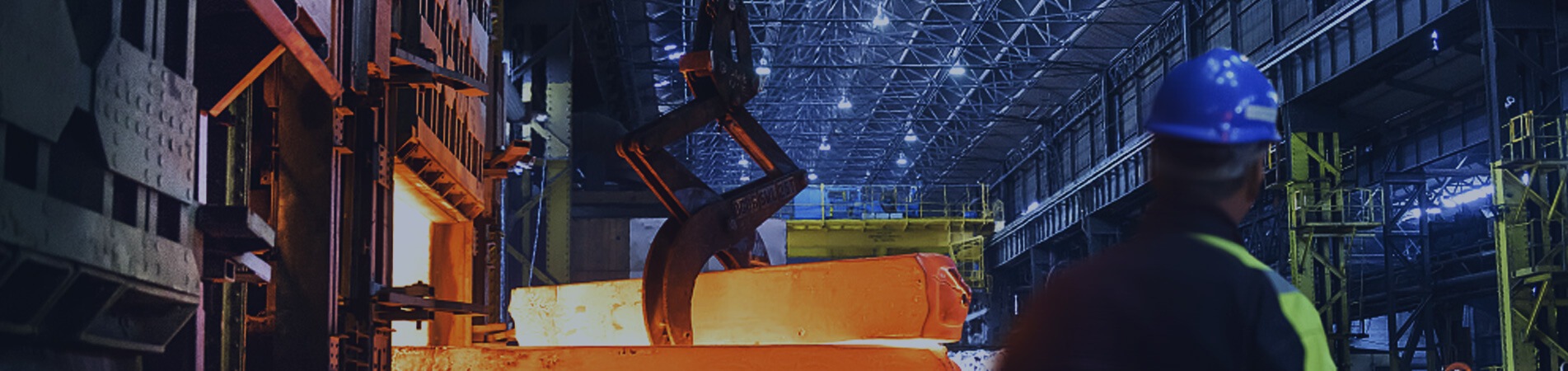
industrial furnace manufacturers
Industrial Furnace Manufacturers: Why the Right Partner Matters More Than the Furnace Itself
If you search for industrial furnace manufacturers, you’ll find hundreds of suppliers claiming advanced technology, competitive pricing, and fast delivery. On paper, many furnaces look similar. Capacities overlap. Temperature ranges are comparable. Control systems use the same buzzwords.
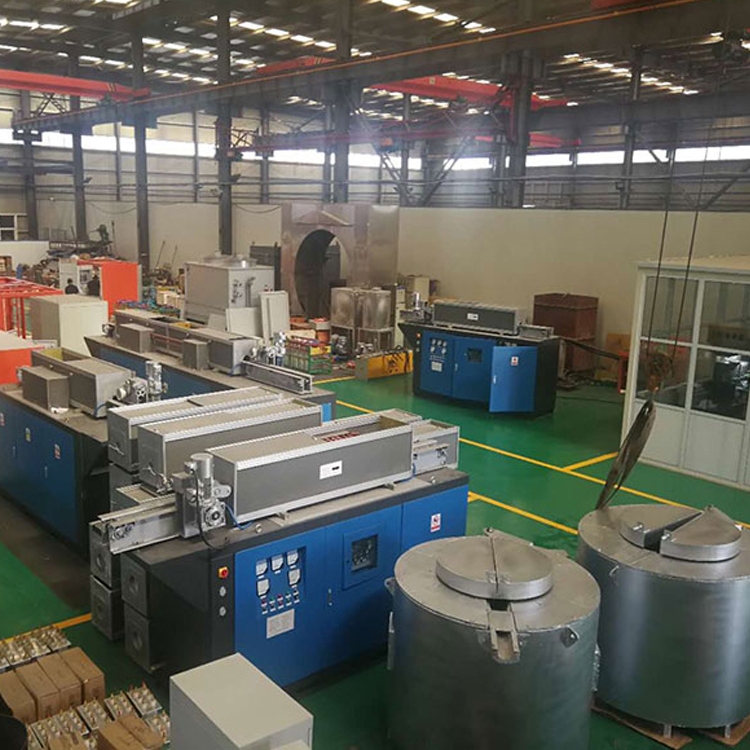
Yet in real factories, results vary dramatically.
Some plants achieve stable output, predictable energy costs, and fast ROI. Others struggle with downtime, inconsistent quality, rising electricity or gas bills, and slow after-sales support—especially overseas.
The difference rarely comes down to the furnace alone.
It comes down to who built it, how it was engineered, and what kind of long-term partner stands behind it.
As an industrial furnace manufacturer with deep experience in metal heat processing, we’ve learned this lesson not from brochures—but from factories that run 24/7, under real production pressure.
1.Industrial Furnaces Are Not “Equipment Purchases” — They Are Long-Term Production Systems
For factory owners and smelting plant directors, the core question is never:
“Is this furnace cheap?”
The real questions are:
-
How many productive hours per year will this furnace deliver?
-
How stable is output under fluctuating raw materials?
-
How predictable are energy and maintenance costs?
-
What happens when something fails at 2 a.m.?
-
How long until this investment pays for itself?
An industrial furnace is not a standalone machine.
It is a production system that directly determines:
-
Yield
-
Energy efficiency
-
Safety compliance
-
Product consistency
-
Labor dependency
-
Long-term total cost of ownership (TCO)
This is why choosing industrial furnace manufacturers purely on unit price is one of the most expensive mistakes a factory can make.
2.How Experienced Industrial Furnace Manufacturers Reduce Real Operating Time
One of the biggest hidden costs in metal processing plants is lost time:
-
Slow heat-up cycles
-
Unstable temperature control
-
Long holding times
-
Frequent unplanned shutdowns
-
Complicated maintenance procedures
Well-designed industrial furnaces focus on time efficiency, not just maximum temperature.
What experienced manufacturers do differently:
-
Optimize thermal structure to reduce warm-up and cool-down time
-
Design refractory layouts that balance heat retention with fast response
-
Match burners, induction systems, or heating elements precisely to load profiles
-
Integrate smart control logic that minimizes operator intervention
The result?
-
Shorter production cycles
-
Higher daily throughput
-
Less idle energy consumption
-
More predictable scheduling
For factory owners, this translates directly into more output with the same labor and footprint.
3.Energy Cost Is Not a Line Item — It’s a Strategic Variable
Energy is often the largest ongoing cost of operating an industrial furnace. Yet many buyers only look at rated power or nominal fuel consumption.
Experienced industrial furnace manufacturers take a broader view:
-
Heat transfer efficiency
-
Load matching
-
Insulation degradation over time
-
Control precision at partial loads
-
Recovery and reuse of waste heat
A furnace that is 5–10% more efficient on paper may reduce total annual energy cost by tens or hundreds of thousands of dollars—especially in continuous or high-temperature operations.
More importantly, energy-efficient furnaces:
-
Reduce exposure to energy price volatility
-
Improve ESG and compliance profiles
-
Extend component life due to smoother thermal cycles
This is where engineering experience matters more than marketing claims.
4.Stability, Safety, and Compliance: What Plant Managers Lose Sleep Over
Technical and engineering managers live with a different set of concerns:
-
Temperature uniformity
-
Metal purity and oxidation control
-
Repeatability between batches
-
Safe operation under abnormal conditions
-
Compliance with local and international standards
Industrial furnace manufacturers with real production experience design for stability first, not just peak performance.
That means:
-
Conservative safety margins in critical components
-
Redundant sensors and protection logic
-
Clear fault diagnostics, not black-box alarms
-
Designs that tolerate operator variability
In export and overseas projects, compliance becomes even more critical. CE, ISO, local safety codes, and environmental regulations are not optional. A furnace that fails inspection—or cannot be legally operated—turns into stranded capital overnight.
5.Why Manufacturing Capability Still Matters
Not all industrial furnace manufacturers are true manufacturers.
Some assemble outsourced components. Others act as trading companies with engineering labels. When problems arise, responsibility becomes fragmented.
A true industrial furnace manufacturer owns:
-
Its factory
-
Its fabrication standards
-
Its quality control processes
-
Its engineering know-how
This matters because:
-
Design changes can be implemented quickly
-
Customization is based on real manufacturing constraints
-
Spare parts remain available years later
-
Accountability is clear
Factories value partners who build what they design, and support what they sell.
6.Export & Overseas Support: The Real Test of a Manufacturer
Selling furnaces overseas is easy. Supporting them is not.
For international clients, the biggest fears are:
-
Slow response when downtime occurs
-
Difficulty sourcing spare parts
-
Language and time-zone barriers
-
Unclear responsibility between local agents and factories
Experienced industrial furnace manufacturers invest heavily in:
-
Standardized documentation
-
Remote diagnostics and commissioning
-
Modular designs for easier maintenance
-
Overseas service procedures
-
Long-term spare parts planning
This is not an afterthought—it is part of the product itself.
A furnace without reliable overseas support is not a cost saving.
It is a risk multiplier.
7.After-Sales Service Is Where ROI Is Won or Lost
Most furnaces look acceptable on delivery day.
The real value emerges over years of operation.
Strong after-sales systems include:
-
Clear maintenance schedules
-
Predictive wear part planning
-
Fast technical response
-
Upgrade paths as production evolves
-
Honest performance feedback
For factory owners focused on ROI, this means:
-
Shorter payback periods
-
Fewer surprise expenses
-
Higher asset utilization
-
Longer equipment life
For technical managers, it means:
-
Less firefighting
-
More control
-
More trust in the system
8.Choosing the Right Industrial Furnace Manufacturer: A Different Mindset
The most successful factories we work with share a common approach: They don’t ask “How cheap can you make it?”
They ask “How stable can you guarantee it?”
They evaluate manufacturers based on:
-
Engineering depth
-
Industry experience
-
Long-term support capability
-
Transparency in performance limits
-
Willingness to take responsibility
These are not one-off buyers.
They are building production capacity for the next decade.
9.Final Thoughts: Partnership Over Transactions
In modern industrial metal processing, furnaces are no longer just tools.
They are strategic assets.
The right industrial furnace manufacturer does more than deliver equipment.
They deliver:
-
Confidence in production planning
-
Predictability in operating cost
-
Support across borders and time zones
-
A partnership aligned with long-term growth
If your priority is lowest purchase price, many suppliers can compete.
If your priority is stability, efficiency, compliance, and ROI, your choice becomes much clearer.