Luoyang HongtengIntermediate frequency induction furnace
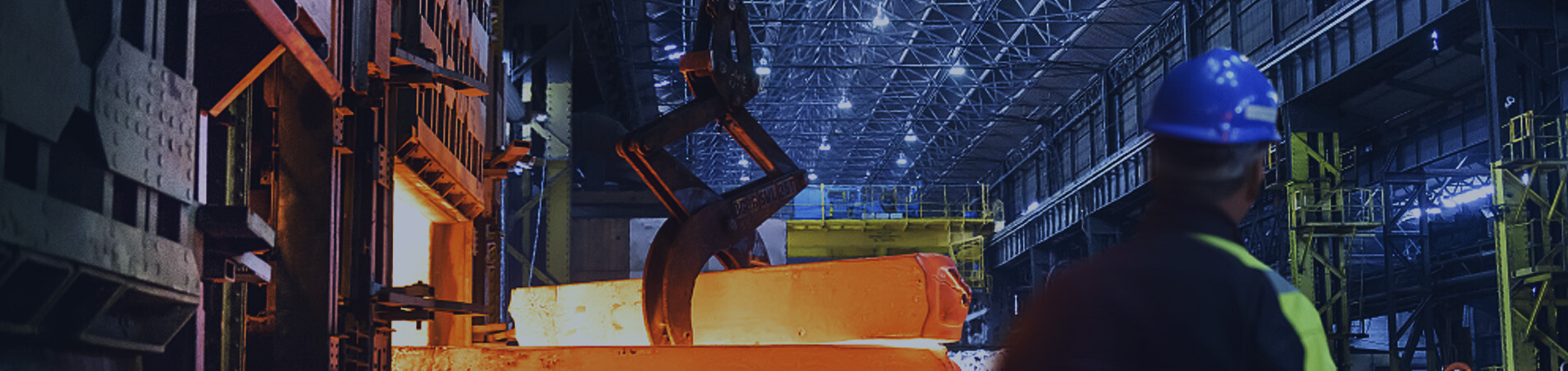
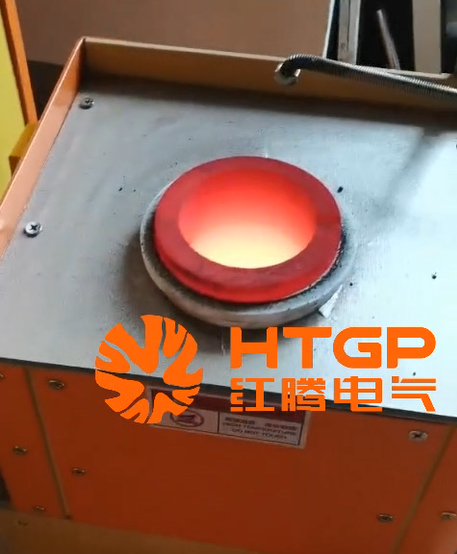
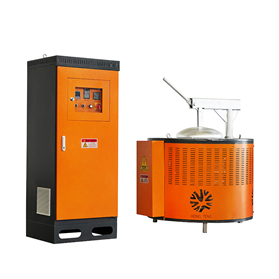
Induction Melting Furnace Fundamentals: How It Generates Heat Without Contact The induction melting furnace doesn’t just melt metal—it redefines thermal efficiency in foundry operations. When a Tier-1 automotive supplier switched from resistance-based furnaces to an UltraMelt 12/16 system, energy consumption dropped 37% per ton of aluminum while cutting cycle time by 52%. That’s not incremental improvement. It’s physics-driven transformation. What Is an Induction Melting Furnace? Core Definition & Physics An induction melting furnace generates heat inside the conductive charge—typically metal scrap or alloy ingots—using electromagnetic induction. Unlike resistance furnaces that rely on external heating elements, induction applies alternating current through a water-cooled copper coil, creating a rapidly reversing magnetic field. This field induces eddy currents directly within the metal itself, causing resistive heating at the source. The result? No intermediate heat transfer, no thermal lag, and no electrode degradation. You’re not heating a chamber—you’re energizing the material. Stainless steel, with its 1398–1454°C melting range and 7.7–8.0 g/cm³ density, exemplifies why this matters: precise, localized energy delivery prevents overheating at the surface while ensuring uniform core temperature rise—critical for chemistry control and grain structure integrity. Key Components: Power Supply, Coil, Crucible, and Cooling System The furnace body uses a thick aluminum alloy shell—not steel—to...
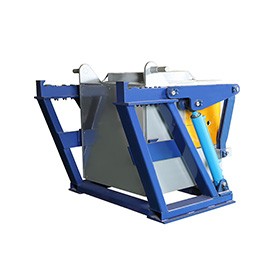
Induction Steel Melting Furnace
Aluminum Induction Melting Furnace
Stainless Steel Induction Melting Furnace
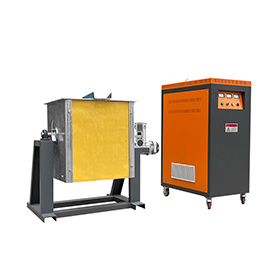
Medium Frequency Gold Induction Melting Furnace
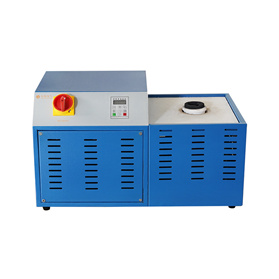
Small Medium Frequency Induction Furnace
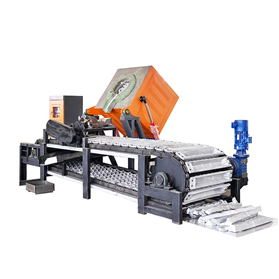
Aluminum/Copper Ingot Continuous Casting Line
Please fill out the form below (required *), send us a short message, and we will contact you as soon as possible.
Send Message
Copyright © 2026 Luoyang Hongteng Electrical Equipment Co., Ltd.