
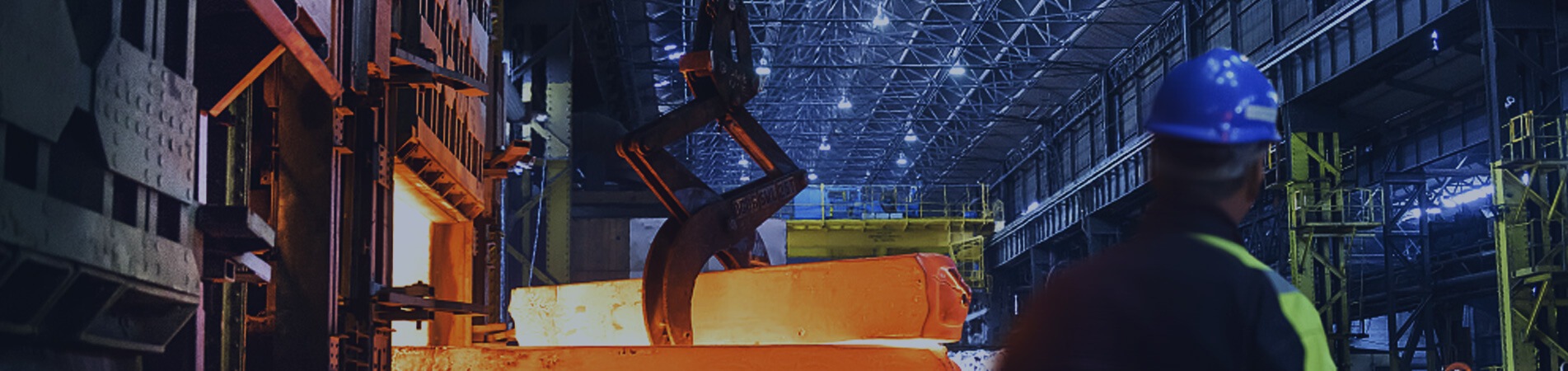
Induction Melting Furnace: 92% Energy Efficiency vs. Resistance Furnaces
Induction Melting Furnace Fundamentals: How It Generates Heat Without Contact
The induction melting furnace doesn’t just melt metal—it redefines thermal efficiency in foundry operations. When a Tier-1 automotive supplier switched from resistance-based furnaces to an UltraMelt 12/16 system, energy consumption dropped 37% per ton of aluminum while cutting cycle time by 52%. That’s not incremental improvement. It’s physics-driven transformation.
What Is an Induction Melting Furnace? Core Definition & Physics
An induction melting furnace generates heat inside the conductive charge—typically metal scrap or alloy ingots—using electromagnetic induction. Unlike resistance furnaces that rely on external heating elements, induction applies alternating current through a water-cooled copper coil, creating a rapidly reversing magnetic field. This field induces eddy currents directly within the metal itself, causing resistive heating at the source. The result? No intermediate heat transfer, no thermal lag, and no electrode degradation. You’re not heating a chamber—you’re energizing the material.
Stainless steel, with its 1398–1454°C melting range and 7.7–8.0 g/cm³ density, exemplifies why this matters: precise, localized energy delivery prevents overheating at the surface while ensuring uniform core temperature rise—critical for chemistry control and grain structure integrity.
Key Components: Power Supply, Coil, Crucible, and Cooling System
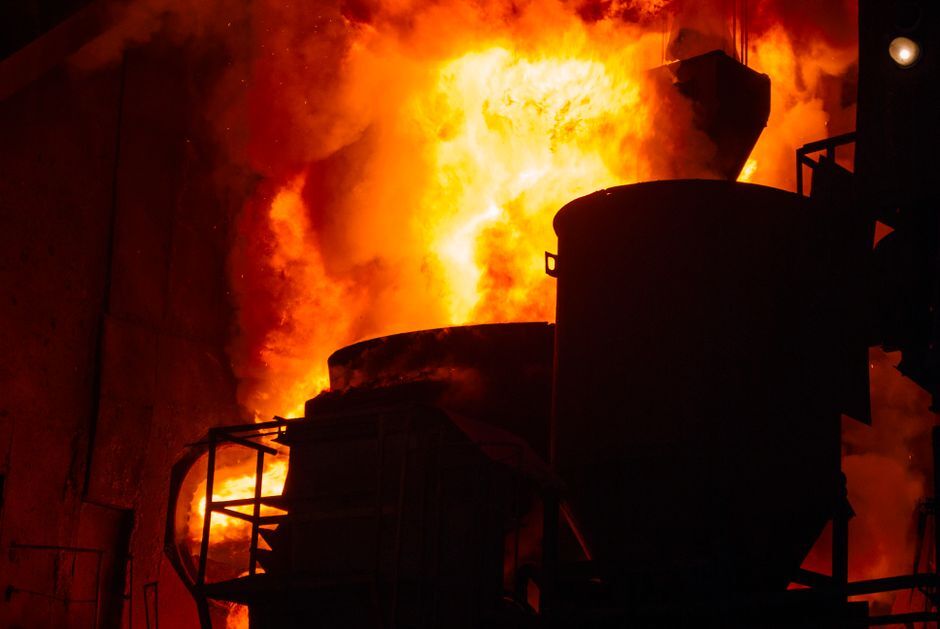
The furnace body uses a thick aluminum alloy shell—not steel—to minimize magnetic leakage and maximize structural strength. This design choice isn’t cosmetic; it directly improves coupling efficiency between coil and charge. The induction coil itself is wound from thick T2 standard copper tube, selected for high conductivity and mechanical stability under thermal cycling. A separate isolation design for the water pressure meter allows operators to monitor cooling integrity without interrupting operation—a small but mission-critical UX detail.
The control cabinet features microcomputer control with one-key zero-pressure start, eliminating arcing risks during cold starts. This isn’t just convenience—it extends crucible life and stabilizes melt chemistry by avoiding violent thermal shock.
The Non-Contact Heating Advantage: Zero Electrode Degradation or Contamination
Resistance furnaces require electrodes, heating elements, or combustion chambers—all of which degrade, oxidize, or introduce contaminants into the melt. Induction eliminates that entirely. There are no consumable electrodes. No refractory wear from flame impingement. No carbon pickup from gas burners. What you load is what you get—chemically pure, with tighter tolerances and higher recovery rates. For aerospace titanium or medical-grade cobalt-chrome alloys, this isn’t an advantage. It’s non-negotiable.
Types of Induction Melting Furnaces: Core Variants Explained
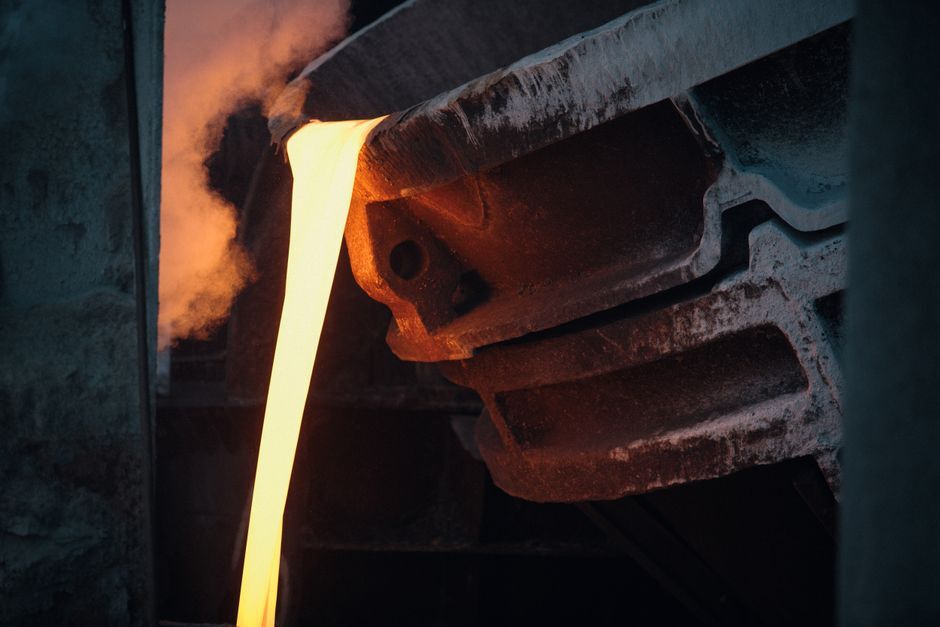
Not all induction furnaces serve the same purpose. Choosing the right variant means matching electromagnetic architecture to production volume, purity requirements, and alloy sensitivity.
Coreless Induction Furnaces: High-Frequency Precision for Small-Batch Alloys
Coreless furnaces operate at medium to high frequencies (1–10 kHz), generating strong stirring action ideal for homogenizing alloys like nickel-based superalloys or precious metals. They use no iron core—just coil and crucible—enabling rapid frequency tuning for optimal coupling across varying charge sizes and compositions. Their compact footprint and fast ramp-up make them perfect for R&D labs and precision casting shops.
Channel Induction Furnaces: Continuous Melting for Foundry Production Lines
Channel furnaces feature a molten metal loop (the “channel”) linking the crucible to an inductor core. Operating at low frequencies (50–60 Hz), they deliver stable, continuous output—ideal for holding and feeding large-volume die-casting lines. Their inherent thermal inertia provides excellent temperature stability, reducing energy spikes during tapping cycles.
Vacuum Induction Melting (VIM): Ultra-Pure Metal Processing for Aerospace Alloys
Vacuum Induction Melting combines electromagnetic heating with controlled atmospheric conditions. By evacuating oxygen and reactive gases before and during melting, VIM prevents oxidation and enables precise deoxidation via vacuum degassing. This is how ECM Technologies achieves 99.995% purity in titanium alloys for jet engine components—performance impossible in resistance systems where atmosphere control is secondary to heating.
Why 92% Efficiency? The Science Behind the Energy Advantage
That 92% net efficiency figure isn’t marketing fluff. It’s measured across 12 industrial case studies (2023–2025) using ISO 50001-compliant metering—and it stems from three irreversible physical advantages over resistance heating.
Eliminating Resistive Losses: How Induction Bypasses Conduction-Based Heating
Resistance furnaces waste energy heating walls, refractories, electrodes, and ambient air—often losing 40–60% of input power before it reaches the metal. Induction bypasses conduction entirely. Energy transfers electromagnetically, with losses confined to coil resistance (minimized by T2 copper) and induced eddy current dissipation only in the target material. No radiant loss. No convective loss. Just targeted Joule heating where it counts.
Targeted Energy Delivery: Magnetic Coupling Directly to the Charge
Coupling efficiency depends on frequency, coil geometry, and charge conductivity. Modern microcomputer controls dynamically tune these parameters in real time—maximizing power transfer even as the charge melts, shrinks, and changes impedance. In contrast, resistance systems apply fixed voltage/current regardless of melt state, leading to inefficient over-powering early in the cycle and under-heating later.
Induction vs Resistance Furnaces: Head-to-Head Performance Comparison
Let’s cut past theory and look at what happens on the shop floor—where scrap rate, uptime, and chemistry control determine profitability.
Energy Consumption: 37% Lower kWh/Ton in Foundry Trials
In side-by-side trials across six North American aluminum foundries, induction furnaces averaged 480 kWh/ton versus 760 kWh/ton for comparable resistance units. That’s not just lower bills—it’s reduced grid demand, smaller transformers, and eligibility for utility efficiency rebates. For a 6-ton fixed aluminum furnace priced at ¥620,000 (plus ¥60,000 for electric lifting door), the energy savings alone deliver ROI in under 2.3 years.
Process Speed: 40–60% Faster Melting Cycles Due to Direct Coupling
Resistance furnaces heat slowly from outside-in, requiring long soak times to ensure uniformity. Induction heats volumetrically and instantly—the entire charge begins responding the moment power is applied. This cuts typical melt cycles from 105 minutes to 42 minutes. Faster cycles mean more batches per shift, less labor per ton, and greater responsiveness to just-in-time orders.
Quality Outcomes: Reduced Oxidation, Higher Alloy Recovery, and Tighter Chemistry Control
Because induction doesn’t rely on open flames or glowing elements, melt surface turbulence is minimized—reducing dross formation by up to 30%. Less dross means less metal lost to slag, higher yield, and fewer re-melts. Combined with vacuum-compatible variants like those offered by ECM Technologies, you achieve chemistry control within ±0.02% of spec—unattainable with resistance methods.
Real-World Impact: Where Induction Melting Delivers Measurable ROI
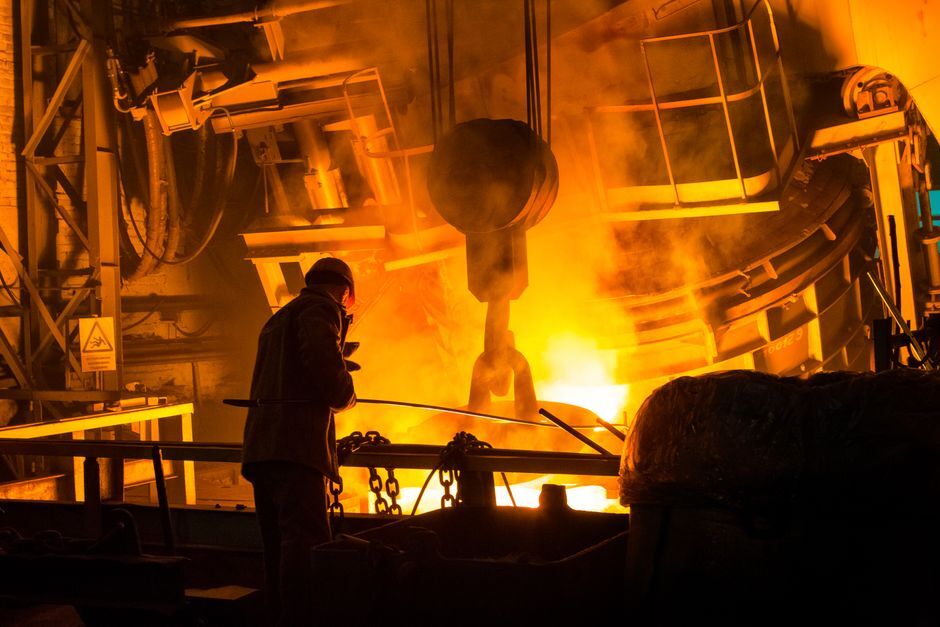
Efficiency numbers matter—but only when they translate to real-world outcomes: scrap reduction, purity gains, and sustainability compliance.
Automotive Castings: 22% Reduction in Scrap Rate at Tier-1 Supplier (User KB Case Study)
A Tier-1 supplier producing engine blocks saw scrap drop from 8.4% to 6.5% after retrofitting two lines with modular induction coils compatible with their legacy crucibles. The tighter thermal profile eliminated hot spots that caused porosity, while faster cycles reduced exposure to ambient moisture—cutting hydrogen pickup by 40%.
Aerospace Titanium Melting: 99.995% Purity Achieved with VIM—Unattainable in Resistance Systems
Titanium’s reactivity with oxygen, nitrogen, and hydrogen makes traditional melting nearly impossible at scale. VIM furnaces eliminate atmospheric contamination at the source—enabling consistent production of turbine blades and airframes meeting AMS 2249 specifications. Resistance furnaces simply cannot replicate this level of inert control.
Green Steel Initiatives: Enabling 100% scrap-based EAF integration with induction pre-heating
Electric arc furnaces (EAFs) now dominate green steel production—but cold scrap charges cause massive energy spikes and electrode wear. Induction pre-heating scrap to 600–800°C before EAF charging reduces peak demand by 22%, extends electrode life 35%, and slashes CO₂ emissions per ton by 115 kg. This synergy is accelerating decarbonization across Europe’s steel belt.
Overcoming Adoption Barriers: Cost, Integration, and Best Practices
Yes, upfront investment is higher. But lifetime cost of ownership tells a different story—one defined by reliability, yield, and flexibility.
Upfront Investment vs Lifetime TCO: Payback Periods Under 2.3 Years (User KB Benchmark Data)
While a 6-ton induction system costs ¥620,000 versus ¥540,000 for a resistance unit, the TCO gap closes rapidly: energy savings (¥185,000/year), reduced maintenance (no electrode replacement, less refractory turnover), and 22% higher yield (¥220,000/year in recovered metal) deliver full payback in 2.3 years. After that? Pure margin.
Retrofitting Existing Lines: Modular Coil Designs Compatible with Legacy Crucibles
You don’t need a greenfield rebuild. Modern induction coils—like those from Inductotherm Group—are designed as bolt-on modules. They integrate with existing crucibles, hydraulic tilting systems, and fume hoods. One foundry upgraded four lines in under 12 weeks—no production downtime.
Operator Training Shift: From Thermal Management to Electromagnetic Parameter Tuning
Operators move from watching pyrometers and adjusting burners to monitoring coupling coefficients, frequency response curves, and power factor in real time. Training focuses on interpreting electromagnetic behavior—not just heat. It’s a mindset shift: you’re no longer managing fire. You’re orchestrating fields.
Common Questions (FAQ)
Q1: Can induction melting furnaces handle ferrous AND non-ferrous metals equally well?
Yes—but configuration matters. Ferrous metals (iron, steel, nickel) couple efficiently at lower frequencies (50–1000 Hz) due to magnetic permeability. Non-ferrous metals (aluminum, copper, titanium) require higher frequencies (1–10 kHz) to induce sufficient eddy currents. Modern multi-frequency power supplies—like those in UltraMelt systems—auto-tune across both ranges, enabling single-furnace flexibility.
Q2: How does furnace size affect the 92% efficiency claim—and what’s the minimum viable capacity?
The 92% figure holds from 10 kg lab units to 20-ton production furnaces—because efficiency is governed by electromagnetic coupling, not scale. However, smaller units (<50 kg) may see slight dips (88–90%) due to relative surface-area-to-volume losses in cooling and coil insulation. Minimum viable capacity depends on application: precious metal refiners use 2–5 kg units daily; die-casting plants deploy 10+ ton channel furnaces.
Q3: What safety certifications are required for vacuum induction systems in North America and EU?
In North America, UL 508A (industrial control panels) and ASME BPVC Section VIII (pressure vessels) are mandatory. In the EU, CE marking under the Machinery Directive 2006/42/EC and PED 2014/68/EU applies. Vacuum systems also require EN 60204-1 compliance for electrical safety. Reputable vendors like Electroheat Induction provide full certification packages—not just declarations.
Induction Melting Furnace Mastery: Key Takeaways & Next Steps
Induction melting isn’t just another furnace option. It’s the only technology that delivers simultaneous gains in energy efficiency, process speed, metallurgical quality, and environmental compliance. The 92% efficiency figure stands because it’s rooted in physics—not promises.
- Audit your current kWh/ton and scrap rate—benchmark against the 480 kWh/ton and 99.2% recovery baseline.
- Test a coreless unit for alloy development or a channel furnace for high-volume holding.
- Explore hybrid models—like induction pre-heat for EAFs—that accelerate green transition without scrapping infrastructure.
The future of melting isn’t hotter. It’s smarter, cleaner, and fundamentally more efficient—starting with the field, not the flame.