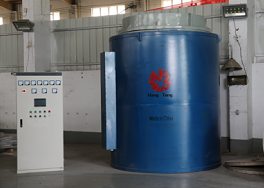
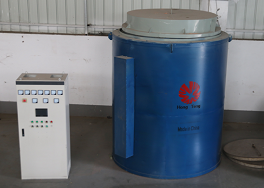
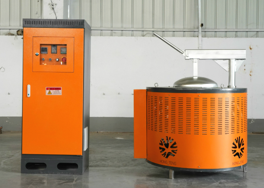
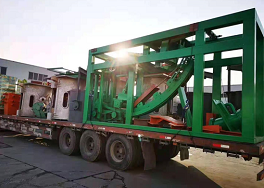
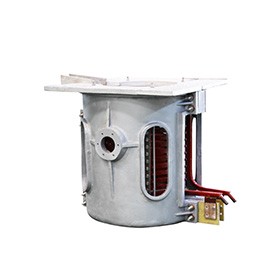
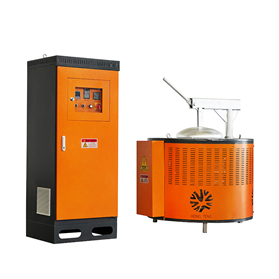
Luoyang HongtengIntermediate frequency induction furnace
According to the different needs of customers, we have different selection of refractory materials, mainly divided into the following several kinds of refractory materials:Acid refractory: Acid l
1. What Is Industrial Furnace Temperature and Why It Matters Industrial furnace temperature refers to the controlled thermal range required for specific metallurgical or heat treatment processes. It is not simply about “how hot the furnace can get.”It is about: Temperature stability (± tolerance) Heat distribution uniformity Response speed Control precision Thermal efficiency For factory owners and steel plant managers, furnace temperature directly influences: Energy cost per ton Production speed Product quality consistency Equipment lifespan Compliance risk A furnace that reaches high temperatures but fluctuates excessively will: Increase oxidation Waste energy Cause inconsistent output Shorten refractory life Precision is profit. 2. Optimal Temperature Ranges by Application Industrial furnace temperature requirements vary by process. Below is a reference table used in engineering planning: Application Typical Temperature Range Stability Requirement Key Risk if Unstable Steel Melting 1500–1700°C ±5–10°C Inclusion & oxidation Heat Treatment 800–1200°C ±3–5°C Hardness deviation Aluminum Melting 660–900°C ±5°C Metal loss Forging 900–1250°C ±10°C Surface cracks Annealing 600–900°C ±3°C Grain inconsistency Key Insight:Temperature range alone does not define performance. Stability tolerance does. A furnace capable of 1700°C with ±50°C deviation is operationally inferior to one with ±5°C control. 3. How Temperature Stability Reduces Energy Costs Energy accounts...
1. Definition: What Is an Industrial Furnace Temperature Range? Industrial furnace temperature range refers to the minimum and maximum thermal values within which a furnace operates to complete a specific metallurgical or heat treatment process. The temperature range alone is not enough.What truly determines performance is: Stability tolerance (±°C) Heat uniformity Ramp rate control Overheat prevention For factory owners and plant managers, temperature range determines: Energy cost per ton Cycle time Equipment wear rate Scrap percentage Compliance risk A furnace capable of 1700°C but fluctuating ±40°C is less profitable than one operating at ±5°C stability. Precision defines profitability. 2. Standard Industrial Furnace Temperature Range by Application Below is a practical engineering reference table: Application Typical Temperature Range Stability Target Operational Risk if Unstable Steel Melting 1500–1700°C ±5–10°C Oxidation, inclusion, yield loss Heat Treatment 800–1200°C ±3–5°C Hardness variation Aluminum Melting 660–900°C ±5°C Metal burn-off Forging 900–1250°C ±10°C Surface cracking Annealing 600–900°C ±3°C Grain inconsistency Key insight:The narrower the stability window, the lower the scrap rate. For steel melting, a stable temperature range improves chemistry control and reduces oxidation losses. That directly affects output consistency and profit margins. 3. Why Stability Tolerance Matters More Than Maximum Temperature The common misconception is that...
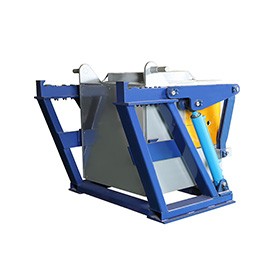
Induction Steel Melting Furnace
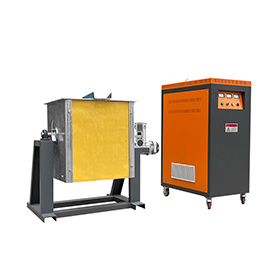
Aluminum Induction Melting Furnace
Stainless Steel Induction Melting Furnace
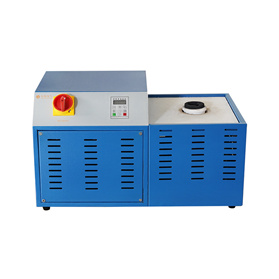
Medium Frequency Gold Induction Melting Furnace
Small Medium Frequency Induction Furnace
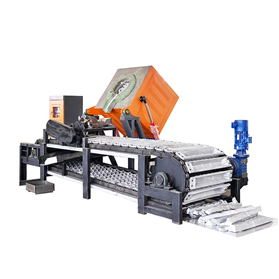
Aluminum/Copper Ingot Continuous Casting Line
Please fill out the form below (required *), send us a short message, and we will contact you as soon as possible.
Send Message
Copyright © 2021 Luoyang Hongteng Electrical Equipment Co., Ltd.