
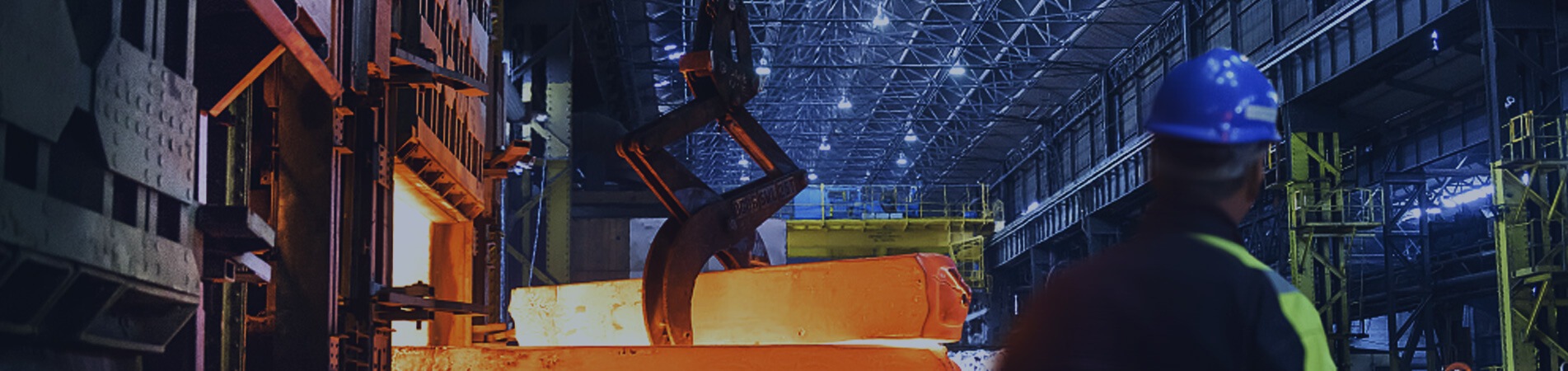
Electric blast furnace modern industrialization
Why Electric Blast Furnaces Represent a Shift in Modern Industrialization
Modern industrialization in metallurgy is no longer defined by scale alone.
It is defined by control, efficiency, predictability, and sustainability.
The electric blast furnace has emerged as a critical solution for plants that need to:
-
Reduce dependence on fossil fuels
-
Achieve more precise metallurgical control
-
Stabilise production output under fluctuating energy and raw material conditions
-
Meet increasingly strict environmental and safety regulations
Unlike traditional fuel-based blast furnaces, electric blast furnaces allow operators to separate metallurgical performance from fuel variability, giving management teams far greater control over production planning and cost forecasting.
For factory owners and general managers, this is not just a technical upgrade —
it is a strategic industrial decision.
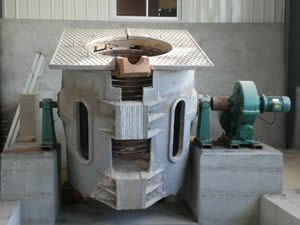
Beyond Melting: What Factory Owners Really Expect from an Electric Blast Furnace
From a sales perspective, one truth becomes very clear after enough projects:
An electric blast furnace is expected to deliver:
-
Stable daily and monthly output
-
Consistent metal quality
-
Minimal unplanned downtime
-
Clear operating cost structure
What matters is not peak capacity on paper, but what the furnace can deliver continuously, year after year, without disrupting downstream operations.
For management, a furnace that “technically works” but frequently interrupts production is a liability, not an asset.
Reducing Working Time and Increasing Throughput in Real Production Conditions
Faster Start-Up and Better Process Control
One of the most practical advantages of electric blast furnaces is process responsiveness.
Compared to traditional systems:
-
Heating profiles can be controlled more precisely
-
Start-up and shut-down cycles are shorter and safer
-
Production scheduling becomes more flexible
This directly reduces non-productive working hours, which often represent hidden costs in older furnace designs.
Consistent Smelting Cycles Mean Fewer Bottlenecks
In many plants, furnace instability causes ripple effects:
-
Delayed tapping
-
Downstream equipment waiting idle
-
Overtime labour costs
A well-designed electric blast furnace delivers repeatable smelting cycles, allowing the entire plant to operate with fewer buffers and less wasted time.
Energy Cost Control: The Economic Logic Behind Electric Blast Furnaces
Energy is no longer just an operating expense — it is a strategic variable.
Electric blast furnaces allow plants to:
-
Optimise energy consumption per ton of output
-
Integrate with renewable or off-peak electricity sources
-
Reduce energy losses through precise power regulation
Why This Matters for Management
For factory owners and CFO-level decision makers, energy control means:
-
Predictable monthly operating costs
-
Reduced exposure to fuel price volatility
-
Improved long-term cost modelling
Over the lifecycle of a furnace, energy efficiency gains often exceed the initial equipment price difference, making electric blast furnaces economically compelling when evaluated through a TCO lens.
Stability, Safety, and Compliance in a Modern Metallurgical Plant
Operational Stability Is Risk Management
Unplanned furnace shutdowns are among the most expensive events in metallurgy.
Electric blast furnaces are engineered for:
-
Continuous operation
-
Controlled thermal stress
-
Lower mechanical wear
This reduces:
-
Emergency maintenance
-
Production losses
-
Safety incidents
For plant managers, stability is not a luxury — it is risk insurance.
Safety and Environmental Compliance
Modern industrialization demands compliance with:
-
Emission regulations
-
Electrical and thermal safety standards
-
Worker protection requirements
Electric blast furnaces inherently support:
-
Cleaner operations
-
Lower emissions at the point of use
-
Easier compliance with environmental audits
This protects not only operations, but also long-term plant viability and licensing.
From Equipment to System: Why Experience and Engineering Integration Matter
A furnace never operates in isolation.
Real value comes from:
-
Integration with raw material handling
-
Coordination with downstream casting or refining
-
Control system compatibility with existing infrastructure
Suppliers with real factory experience understand:
-
Where commissioning delays usually occur
-
How operator behaviour affects furnace performance
-
Which design choices reduce maintenance complexity
This experience translates into:
-
Faster commissioning
-
Shorter ramp-up periods
-
Fewer “surprises” after handover
Export-Ready Design and Overseas Support Capabilities
For international projects, the furnace itself is only part of the equation.
Successful overseas installations depend on:
-
Compliance with local standards
-
Clear English documentation and training
-
Remote diagnostics and troubleshooting
-
Reliable spare parts supply chains
A partner with export and overseas service experience ensures:
-
Faster issue resolution
-
Lower downtime risk
-
Long-term operational confidence
For overseas plant owners, after-sales capability is often more important than initial pricing.
ROI, Payback Period, and Long-Term Total Cost of Ownership (TCO)
From a decision-maker’s perspective, the most important questions are:
-
How long until we recover the investment?
-
How stable is the return?
-
What risks could extend the payback period?
An electric blast furnace improves ROI by:
-
Increasing effective operating hours
-
Reducing energy cost per ton
-
Minimising production disruptions
-
Lowering long-term maintenance expenses
When evaluated over a 10–20 year lifecycle, electric blast furnaces often deliver shorter payback periods and stronger long-term margins, even if initial CapEx is higher.
Final Thoughts: Choosing an Electric Blast Furnace Is Choosing a Long-Term Partner
Electric blast furnaces are not purchased every year.
They define a generation of production capability.
Choosing based solely on initial price often leads to:
-
Unstable output
-
Rising operating costs
-
Service frustrations
-
Extended payback cycles
Choosing a partner with:
-
Manufacturing capability
-
Engineering experience
-
Global service support
-
A long-term mindset
leads to:
-
Predictable production
-
Controlled costs
-
Sustainable industrial growth
In modern industrialization, an electric blast furnace is not just equipment —
it is a foundation for stable, efficient, and future-ready metallurgy.