
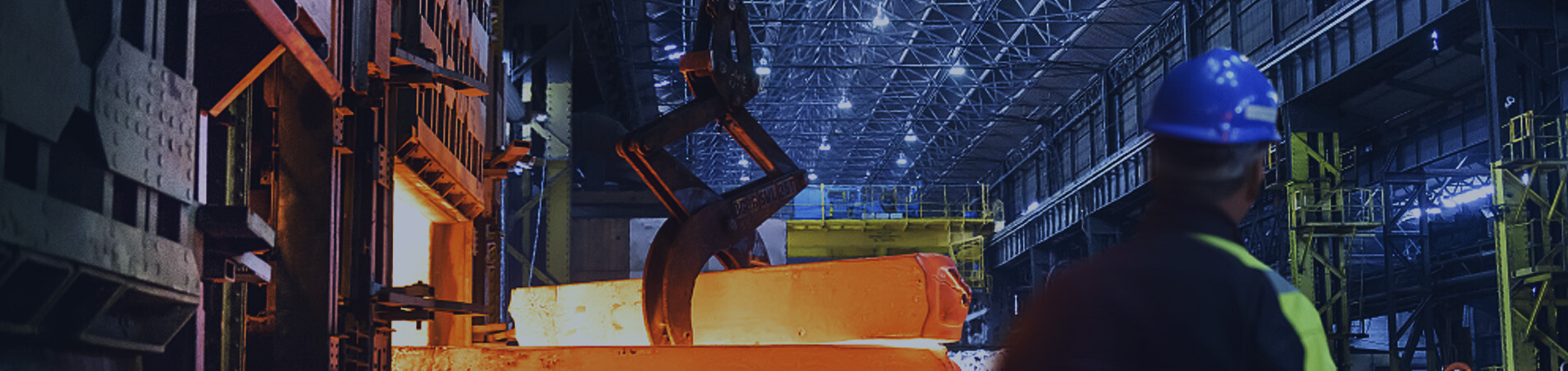
Industrial Blast Furnace Tech Reborn
Why “Blast Furnace Technology” Is Being Reborn, Not Replaced
In today’s steel industry, blast furnaces are often described as “old technology.”
That is dangerously misleading.
What is being replaced is not the blast furnace —
it is the inefficient, unstable, and energy-wasting way we used to run them.
Modern industrial blast furnace technology is being reborn because:
-
Energy costs are no longer controllable by scale alone
-
Downtime is now the most expensive line item in a plant
-
Carbon and safety regulations are becoming unavoidable
-
Customers demand consistent steel quality
This is why the new generation of blast furnaces is not just hotter, bigger, or faster — it is smarter, more predictable, and financially safer.
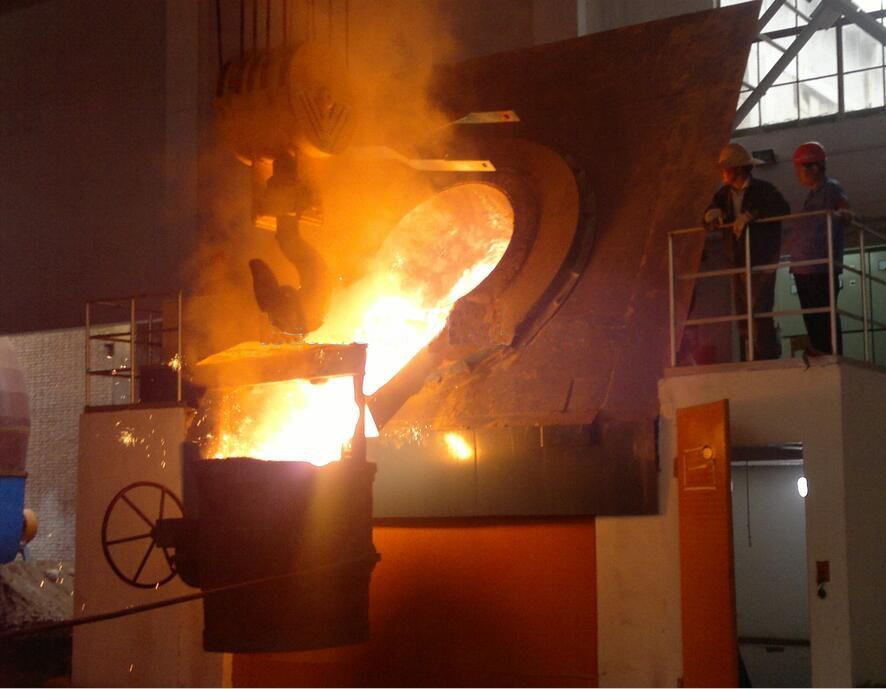
What Has Changed Inside the Modern Industrial Blast Furnace
The biggest shift is not in the shell or the refractory.
It is in how the furnace is controlled, monitored, and optimized.
Today’s reborn blast furnace is built around:
-
Real-time thermal modeling
-
Intelligent air and fuel distribution
-
Digital burden control
-
Automated slag and hot metal management
-
Predictive maintenance systems
Instead of operators reacting to problems, the furnace now anticipates them.
This is the difference between:
How New-Generation Furnaces Reduce Working Hours and Energy Waste
Every minute a blast furnace runs outside its optimal zone costs money.
Traditional furnaces suffer from:
-
Over-blowing
-
Uneven burden distribution
-
Hot spots and cold spots
-
Slag instability
-
Unnecessary holding time
Reborn furnace technology focuses on thermal balance and flow control, which means:
-
Faster tap-to-tap cycles
-
Less fuel per ton of hot metal
-
More stable slag chemistry
-
Fewer emergency interventions
The result is not just energy savings — it is time savings, which in heavy industry is far more valuable.
Stability Is the New Productivity
Plant owners often chase peak capacity.
But experienced metallurgists know the truth:
The new generation of blast furnaces is engineered to:
-
Maintain tight thermal windows
-
Prevent runaway reactions
-
Keep steel chemistry within target
-
Reduce operator dependence
This delivers:
-
Predictable output
-
Consistent hot metal quality
-
Lower scrap and reprocessing
-
Better downstream rolling and casting performance
This stability is what protects margins.
From Equipment Vendor to Long-Term Production Partner
Most suppliers sell a furnace.
Serious industrial partners deliver a working production system.
A true blast furnace partner provides:
-
Process design
-
Furnace engineering
-
Commissioning
-
Operator training
-
Long-term technical support
-
Spare parts logistics
-
Continuous performance optimization
Because what you really buy is not steel —
you buy time, uptime, and confidence.
Why Total Cost of Ownership Matters More Than Purchase Price
The cheapest furnace is often the most expensive asset a plant will ever own.
Total Cost of Ownership includes:
-
Energy consumption
-
Refractory life
-
Downtime losses
-
Labor intensity
-
Spare part availability
-
Maintenance complexity
-
Environmental compliance
-
Safety incidents
Modern reborn blast furnace technology is designed to flatten these risks, turning volatile operations into predictable industrial systems.
That is what investors, banks, and boards care about.
Global Operations Require Global Support
Steel plants today do not operate in isolation.
They serve international customers, face global regulations, and depend on international supply chains.
That means your blast furnace supplier must provide:
-
Export-ready equipment
-
International engineering standards
-
Remote diagnostics
-
Overseas service teams
-
Rapid spare part logistics
Without this, even the best furnace becomes a liability.
The New ROI Model of Blast Furnace Investment
With reborn blast furnace technology, ROI comes from:
-
Lower operating costs
-
Higher steel yield
-
Less downtime
-
Fewer quality claims
-
Longer equipment life
-
Better compliance
This is how plants survive in a world of rising energy prices and tightening environmental controls.
Final Thought for Plant Owners and Technical Leaders
Industrial blast furnace technology is not dying.
It is being rebuilt for a new industrial reality.
The winners will not be those who buy the cheapest furnace —
but those who choose a partner capable of delivering predictable steel, controllable costs, and long-term production security.
That is what “Industrial Blast Furnace Tech Reborn” truly means.