
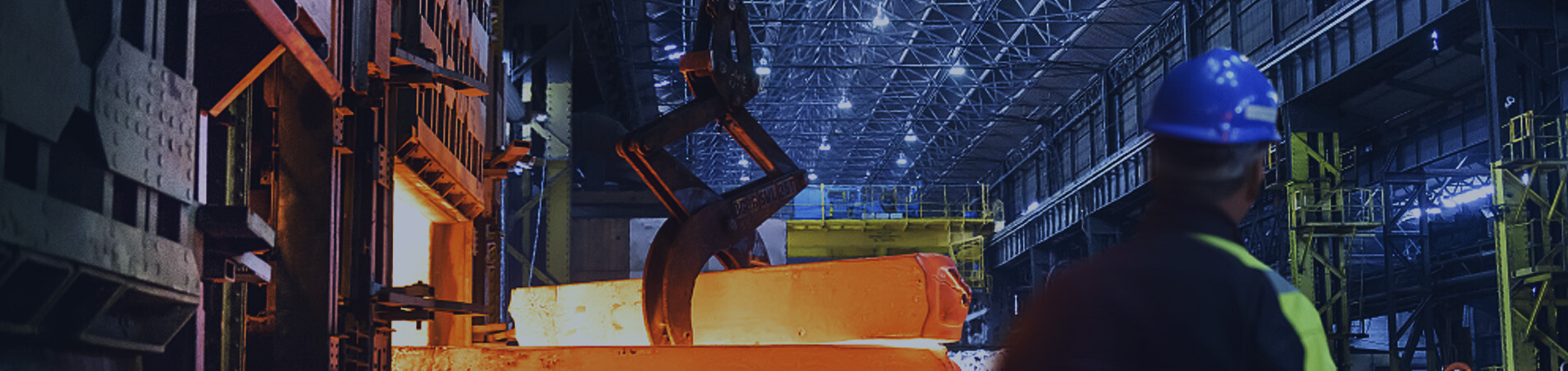
Industrial Furnace News
Why “Industrial Furnace News” Is No Longer Just Industry Information
If you are running a steel plant, foundry, or non-ferrous metal operation today, “industrial furnace news” is no longer something you skim occasionally. It has become a strategic input into your investment decisions, operating cost structure, and long-term competitiveness.
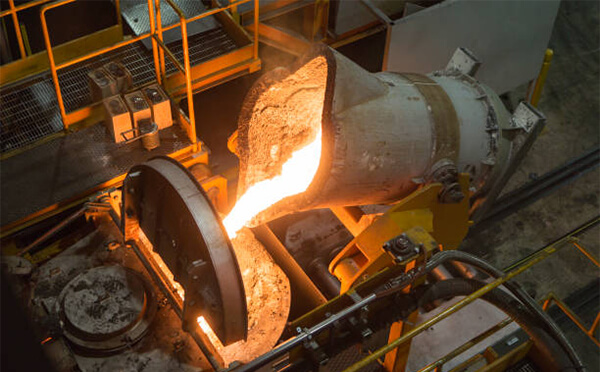
Energy prices remain volatile. Environmental regulations are tightening across Europe, the Middle East, Southeast Asia, and Latin America. At the same time, customers demand higher metal purity, tighter delivery schedules, and stable pricing. In this environment, furnace performance is no longer a technical detail — it is a financial variable.
What we see in recent industrial furnace news is not just new models or upgraded components. It reflects a deeper shift: furnaces are evolving from standalone machines into core production systems that determine uptime, energy efficiency, compliance, and ROI.
This article is not written for procurement teams chasing the lowest initial price. It is written for decision-makers who carry responsibility for output stability, long-term cost control, and operational risk.
Global Industrial Furnace Trends That Actually Matter to Plant Owners
1. Downtime Has Become the Most Expensive Hidden Cost
One consistent theme across global industrial furnace news is the renewed focus on uptime.
In many plants, a furnace shutdown does not only stop melting or heat treatment. It disrupts casting schedules, delays deliveries, increases scrap rates, and puts pressure on downstream processes. For a medium-scale steel plant, one unplanned furnace shutdown can cost tens of thousands of dollars per day — sometimes more than the annual savings achieved by buying a cheaper furnace.
Leading furnace manufacturers are responding with:
-
Improved refractory design to extend campaign life
-
Redundant control and protection systems
-
Predictive maintenance features integrated into PLC and HMI systems
-
Modular designs that reduce repair time
The real message behind these developments is clear: downtime reduction is now a primary value proposition, not a secondary benefit.
2. Energy Efficiency Is No Longer Optional — It Defines Profitability
Energy consumption dominates the operating cost of most industrial furnaces. Whether it is an induction furnace, aluminum melting furnace, or heat treatment furnace, energy efficiency directly impacts your cost per ton.
Recent industrial furnace news highlights several key directions:
-
Optimized coil and power supply matching to reduce electrical losses
-
Advanced insulation and refractory materials to minimize heat loss
-
Smarter temperature control to avoid overheating and rework
-
Integration of waste heat recovery systems
From a plant owner’s perspective, the real question is not “What is the kW rating?” but “How much energy do I consume per ton of qualified output over five years?”
Well-engineered furnaces may cost more upfront, but they consistently deliver lower energy consumption, more stable thermal performance, and faster ROI.
3. Environmental Compliance Is Driving Furnace Design Choices
Environmental regulations are no longer limited to Europe. Countries across Asia, the Middle East, and South America are implementing stricter emission, noise, and safety standards.
Industrial furnace news increasingly emphasizes:
-
Low-emission burner systems
-
Enclosed furnace designs to reduce heat and fume leakage
-
Advanced dust and fume extraction interfaces
-
Compliance with CE, ISO, and local safety standards
For export-oriented plants, compliance is not just about avoiding penalties. It protects your ability to sell into regulated markets and work with international customers who audit supplier facilities.
A furnace that cannot meet environmental and safety expectations becomes a strategic liability.
From Equipment to System: How Furnace Design Impacts Total Cost of Ownership
Furnace Performance Is a System Outcome, Not a Single Specification
One of the biggest misconceptions in furnace purchasing is focusing on isolated parameters. Industrial furnace news increasingly reflects a more holistic approach: performance comes from system integration, not just furnace size or power rating.
Key integration factors include:
-
Charging and feeding systems
-
Power supply and control logic
-
Cooling water system stability
-
Automation and data feedback
-
Operator interface and training
When these elements are engineered together, the furnace operates more smoothly, produces more consistent metal quality, and requires less corrective maintenance.
This is where experienced manufacturers differentiate themselves from low-cost suppliers. They sell systems, not just steel structures and coils.
Why TCO Is Replacing Purchase Price as the Real Decision Metric
For plant owners and CFO-level executives, total cost of ownership has become the dominant evaluation framework.
TCO includes:
-
Initial equipment cost
-
Installation and commissioning
-
Energy consumption per ton
-
Refractory and consumable replacement cycles
-
Maintenance labor and spare parts
-
Downtime and production loss
-
Compliance and safety costs
Industrial furnace news increasingly showcases projects where customers achieved payback not by buying cheap equipment, but by reducing energy use, improving yield, and minimizing unplanned stoppages.
The message is consistent: cheap furnaces are often expensive to operate.
What Technical Leaders Are Watching Closely
Metallurgical Stability and Product Quality
Engineering managers and metallurgy directors focus on repeatability. They want furnaces that deliver stable temperature control, uniform heating, and predictable metallurgical outcomes.
Recent developments reported in industrial furnace news include:
-
Improved temperature measurement accuracy
-
Faster response control systems
-
Better electromagnetic stirring control in induction furnaces
-
Reduced inclusion formation through optimized melting profiles
These improvements translate directly into higher steel or aluminum quality, lower scrap rates, and fewer downstream quality issues.
Maintenance Simplicity and Operator Safety
Another key topic in industrial furnace news is maintainability.
Modern plants face skilled labor shortages. Furnaces that are complex to operate or difficult to maintain increase operational risk.
Leading manufacturers now emphasize:
-
Simplified maintenance access
-
Clear diagnostics and alarm logic
-
Operator-friendly HMI interfaces
-
Enhanced safety interlocks and grounding systems
From a management perspective, safer and easier-to-maintain furnaces reduce insurance risk, training cost, and personnel dependency.
The Role of the Furnace Supplier Has Changed
From Equipment Vendor to Long-Term Partner
One of the most important shifts reflected in industrial furnace news is the evolving role of suppliers.
Global customers no longer want a one-time transaction. They expect:
-
Engineering consultation before purchase
-
Transparent performance assumptions
-
Installation and commissioning support
-
Overseas service capability
-
Long-term spare parts availability
Manufacturers with real factory experience, export track records, and international service systems are increasingly favored — even when their prices are higher.
The reason is simple: furnace performance over 10 years matters more than saving money on day one.
Overseas Support Is No Longer a “Nice to Have”
For export markets, overseas support capability has become a deciding factor.
Industrial furnace news frequently reports customer dissatisfaction not with equipment design, but with:
-
Slow response to breakdowns
-
Lack of spare parts availability
-
No qualified engineers willing to travel
-
Poor documentation and training
In contrast, suppliers who invest in remote diagnostics, service protocols, and international logistics gain long-term trust and repeat business.
For plant owners, service reliability directly protects ROI.
Reading Industrial Furnace News with the Right Mindset
Not all news is equally valuable. Decision-makers should read industrial furnace news with a filter:
-
Does this development reduce downtime?
-
Does it lower energy consumption per ton?
-
Does it improve stability and quality?
-
Does it reduce operational or compliance risk?
If the answer is yes, it is worth attention. If it only introduces new parameters without real operational impact, it is likely noise.
Final Thoughts: Industrial Furnace News as a Competitive Advantage
In today’s metallurgy industry, information itself does not create advantage. Correct interpretation does.
Industrial furnace news reveals where the industry is moving: toward higher efficiency, higher reliability, deeper system integration, and stronger service orientation. Plants that align their investment decisions with these trends protect their margins and strengthen their market position.
The future belongs to furnace buyers who think long-term, evaluate total cost of ownership, and choose partners — not just machines.
Next Steps for Serious Decision-Makers
If you are evaluating furnace upgrades or new installations, consider:
-
Requesting energy consumption benchmarks, not just power ratings
-
Reviewing real operating data from similar plants
-
Assessing supplier service capability outside their home market
-
Calculating ROI based on downtime reduction and efficiency gains
Industrial furnace news provides the signals. The competitive advantage comes from acting on them wisely.