
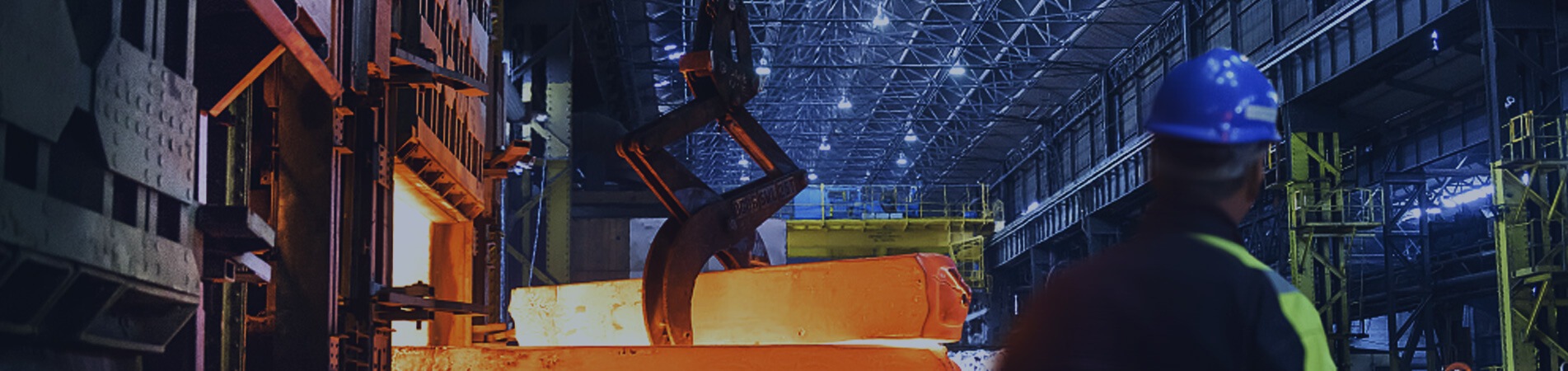
industrial furnaces
Industrial Furnaces-A Strategic Asset for Long-Term Production Stability and ROI
1. Industrial Furnaces Are No Longer Just Equipment — They Are a Business Decision
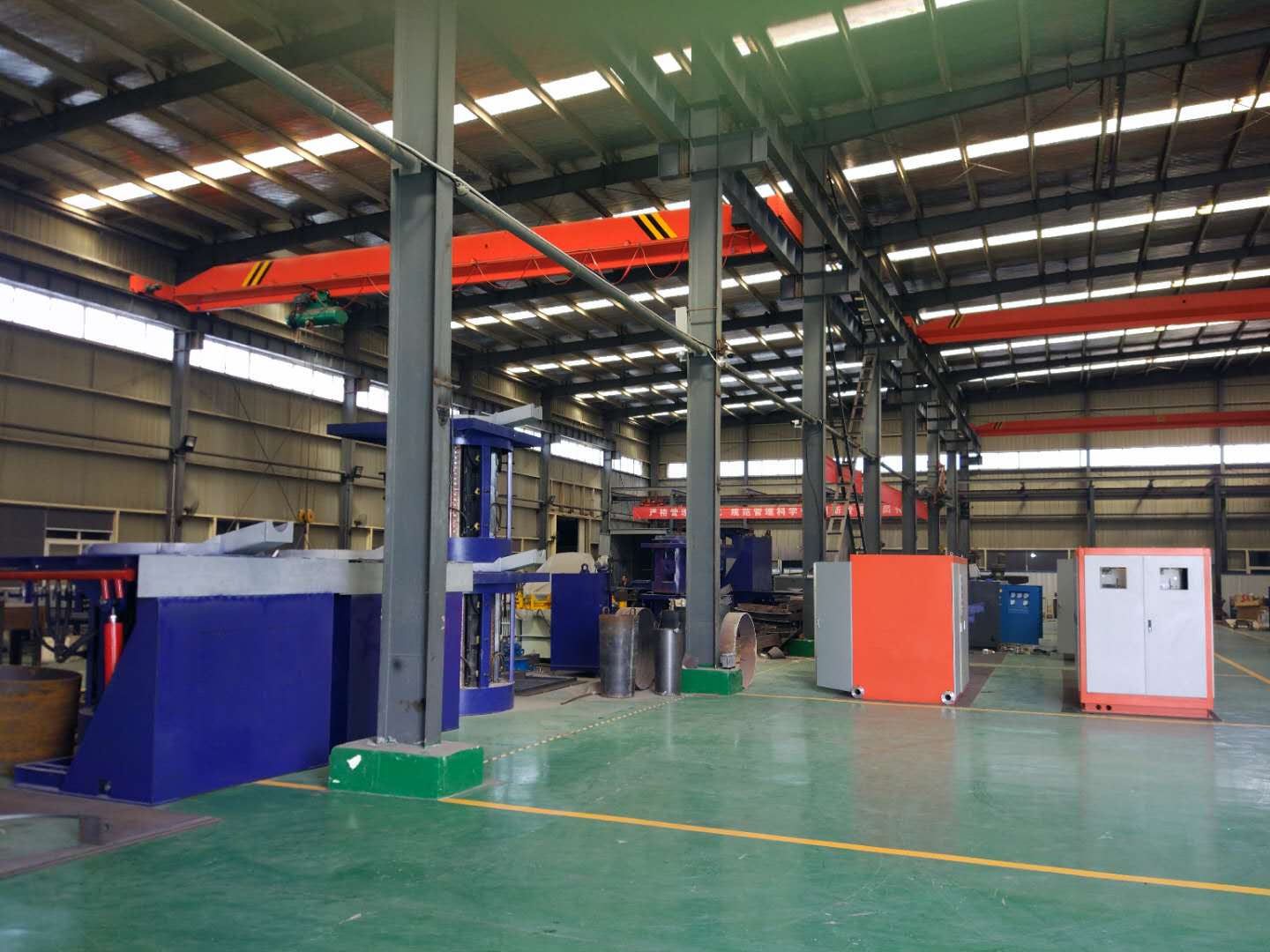
For many years, industrial furnaces were treated as a simple capital purchase. Buyers compared chamber size, maximum temperature, and nameplate power, then negotiated the lowest possible price.
That mindset no longer works.
Today, industrial furnaces sit at the center of production efficiency, energy consumption, product quality, safety compliance, and long-term profitability. Whether you operate a steel plant, aluminum foundry, or metal processing facility, the furnace you choose directly affects:
-
Annual production output
-
Energy cost per ton
-
Downtime risk and maintenance burden
-
Workforce safety and environmental compliance
-
Capital recovery period and total cost of ownership
This article is written for decision-makers who understand that industrial furnaces are strategic infrastructure, not consumable equipment.
If your priority is only the lowest purchase price, this page is not for you.
If your priority is stable output, predictable ROI, and long-term operational control, read on.
2. Why “Selling Parameters” Is Failing Modern Furnace Buyers
Many furnace suppliers still rely on parameter-driven selling:
-
Maximum temperature
-
Rated power
-
Furnace dimensions
-
Nominal melting capacity
These numbers look impressive on paper, but experienced plant owners know a hard truth:
Parameters do not guarantee production results.
What actually determines performance is how those parameters behave under real operating conditions:
-
Can the furnace maintain temperature stability over long cycles
-
How does energy consumption change at partial load
-
How often does unplanned shutdown occur
-
How quickly can operators respond to deviations
-
How reliable is after-sales support when problems appear
Low-quality furnaces often look competitive at purchase time but reveal their true cost later through:
-
Frequent refractory failures
-
Electrical instability
-
Inconsistent melt quality
-
Long maintenance downtime
-
Slow overseas service response
The real cost is not the machine — it is the lost production time and uncontrollable operating cost.
3. Industrial Furnaces as a System, Not a Standalone Machine
A high-performance industrial furnace is never just a furnace body. It is a system that integrates:
-
Power supply and control architecture
-
Furnace structure and insulation design
-
Refractory material selection
-
Charging and tapping coordination
-
Automation and monitoring logic
-
Safety interlocks and compliance design
When these elements are engineered as a complete system, the result is:
-
Higher uptime
-
Lower energy loss
-
Consistent product quality
-
Reduced operator dependency
-
Predictable maintenance cycles
When they are not, even the most advanced furnace design becomes unstable in real production.
This is where experience matters more than specifications.
4. Downtime: The Most Expensive Risk in Furnace Operation
For plant owners and CFO-level decision-makers, downtime is not a technical issue — it is a financial one.
Consider a conservative example:
-
Furnace output: 20 tons per hour
-
Net contribution margin: USD 120 per ton
-
Downtime cost: USD 2,400 per hour
A single unplanned shutdown lasting 12 hours costs nearly USD 30,000 — excluding secondary losses such as delayed deliveries, overtime labor, or customer penalties.
Well-engineered industrial furnaces reduce downtime through:
-
Stable electrical design
-
Proven refractory structures
-
Redundant safety logic
-
Predictive maintenance interfaces
-
Clear fault diagnostics
This is why experienced buyers focus on failure probability, not maximum capacity.
5. Energy Consumption: The Silent Driver of Long-Term Cost
Energy is often the largest variable cost in furnace operation, especially in melting and heat treatment applications.
Two furnaces with similar nominal power can show double-digit differences in real energy consumption per ton due to:
-
Insulation efficiency
-
Heat retention design
-
Control accuracy
-
Power factor optimization
-
Thermal recovery capability
A small reduction in kWh per ton compounds into massive annual savings.
For example:
-
Energy saving: 40 kWh per ton
-
Annual output: 30,000 tons
-
Electricity cost: USD 0.10 per kWh
Annual saving: USD 120,000
Over a 5-year lifecycle, energy efficiency alone can outweigh the initial price difference between suppliers.
This is why energy performance must be evaluated as part of total cost of ownership (TCO), not initial investment.
6. What Different Decision-Makers Actually Care About
Plant Owners and General Managers
They focus on:
-
Output stability
-
Risk control
-
Capital recovery period
-
Compliance and safety exposure
-
Supplier reliability
They do not want surprises after installation.
Engineering and Metallurgy Managers
They focus on:
-
Temperature accuracy
-
Melt uniformity
-
Cycle time control
-
Ease of operation
-
Maintenance workload
They need equipment that works consistently, not just theoretically.
Why Price-Driven Procurement Is Not the Target
Procurement managers who optimize only for purchase price often unintentionally increase:
-
Downtime risk
-
Maintenance complexity
-
Spare parts dependency
-
Long-term cost volatility
This approach damages both operational efficiency and supplier-buyer relationships.
7. Types of Industrial Furnaces and Their Value Applications
Instead of listing furnace types by structure, professional buyers evaluate them by production outcome:
-
Induction furnaces for clean, controllable melting
-
Electric arc furnaces for flexible scrap processing
-
Aluminum melting furnaces for oxidation control and yield
-
Heat treatment furnaces for consistency and metallurgical precision
-
Continuous furnaces for high-volume, stable output
The correct choice depends not on capacity alone, but on:
-
Product mix
-
Energy strategy
-
Labor skill level
-
Compliance requirements
-
Expansion planning
This is where supplier consultation becomes more valuable than catalogs.
8. The Hidden Value of Factory Capability and Experience
A furnace supplier is not just an equipment vendor. They are a long-term production partner.
Key indicators of a reliable industrial furnace manufacturer include:
-
In-house engineering and design teams
-
Proven export experience
-
Multiple international installations
-
Documented commissioning procedures
-
Structured after-sales service system
Factories with real manufacturing depth can:
-
Customize solutions instead of forcing standard models
-
Solve on-site issues faster
-
Provide reliable spare parts support
-
Support future capacity upgrades
Experience reduces uncertainty — and uncertainty is the most expensive variable in industrial investment.
9. Overseas Service and After-Sales Support: Where Many Projects Fail
One of the biggest fears for overseas buyers is simple:
“What happens after the furnace is installed?”
Common concerns include:
-
Slow response time
-
No local technical support
-
Long spare parts delivery
-
Communication barriers
A professional furnace partner addresses this through:
-
Remote diagnostic systems
-
Clear service response timelines
-
Pre-defined spare parts plans
-
Installation and commissioning guidance
-
Operator training programs
After-sales capability is not a cost — it is an insurance policy for production continuity.
10. Industrial Furnaces and Long-Term ROI
Return on investment should be evaluated holistically:
-
Stable output increases annual revenue
-
Energy efficiency reduces operating cost
-
Reduced downtime protects cash flow
-
Consistent quality improves customer retention
-
Compliance reduces regulatory risk
When these factors are combined, the most cost-effective furnace is rarely the cheapest one.
It is the one that performs predictably year after year.
11. Choosing a Trusted Industrial Furnace Partner
The right furnace partner:
-
Understands your production goals
-
Speaks in operational outcomes, not just parameters
-
Designs for long-term reliability
-
Supports you beyond delivery
-
Shares responsibility for performance
This relationship is closer to an engineering partnership than a transaction.
12. Conclusion: Industrial Furnaces Define the Next Decade of Competitiveness
Industrial furnaces will continue to shape cost structures, energy strategies, and production stability across the global metals industry.
The companies that win will not be those who buy cheapest — but those who invest wisely, plan long-term, and partner with experienced manufacturers.
If you are evaluating industrial furnaces, the most important question is not:
“How much does it cost?”
But:
“How reliably will it perform over the next 10 years?”