
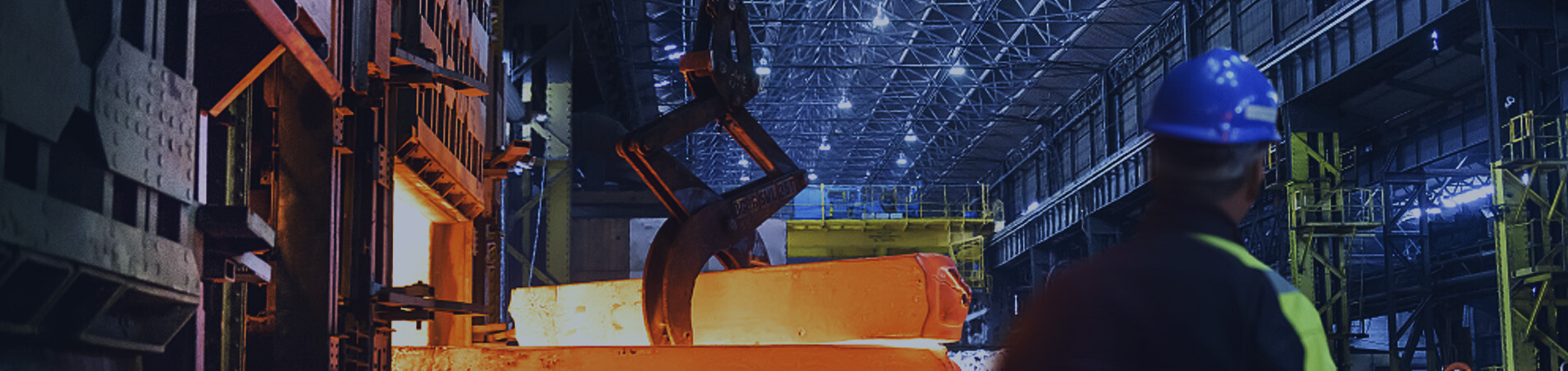
Industrial Blast Furnace
Industrial Blast Furnace: Maximize ROI, Cut Energy Costs & Ensure Production Stability for Steel Plants
An industrial blast furnace is a vertical shaft metallurgical furnace that produces molten pig iron from iron ore, coke, and flux through continuous high-temperature reduction. It remains the backbone of primary steel production worldwide, delivering the hot metal that feeds basic oxygen converters or electric arc furnaces.
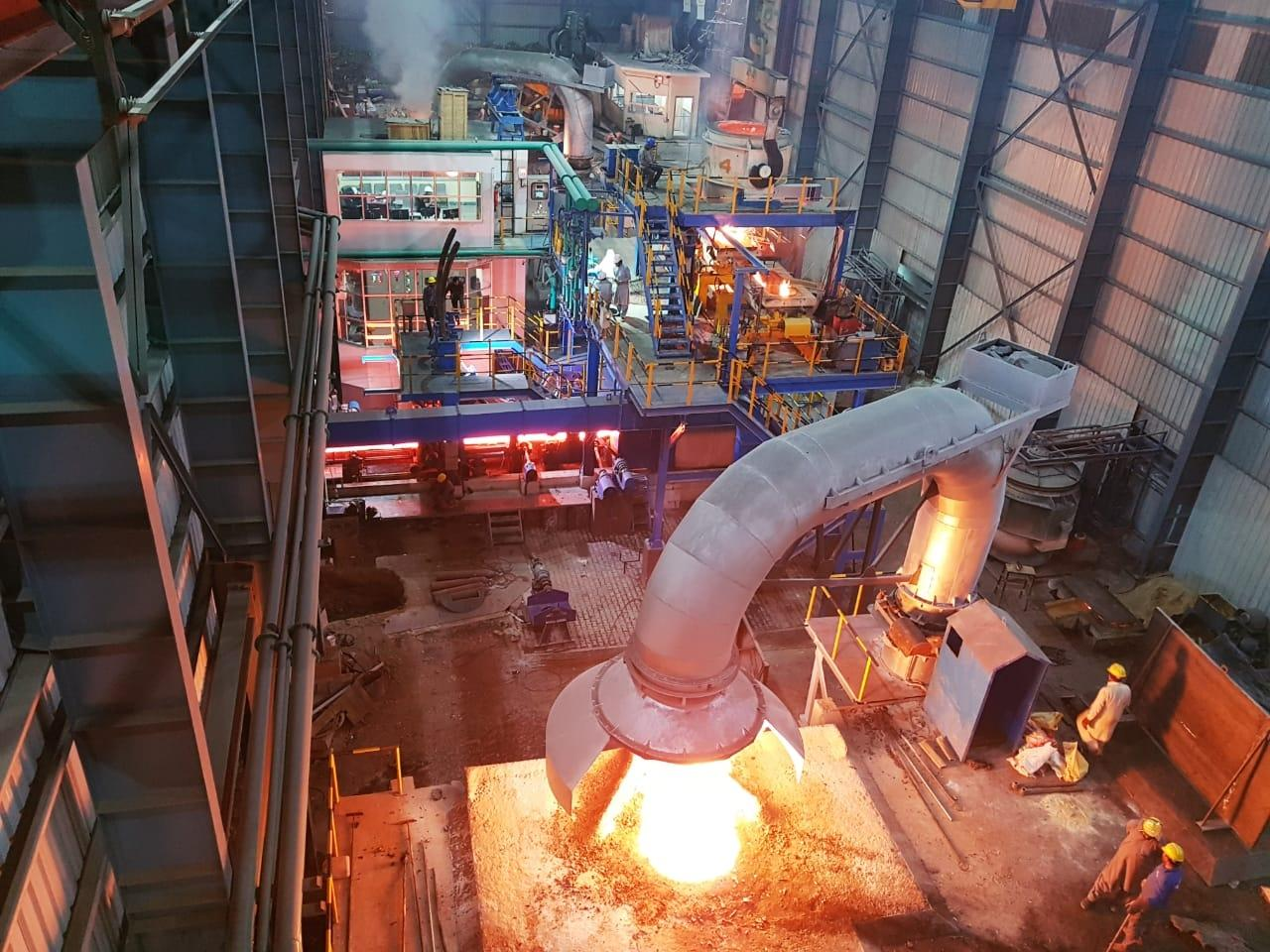
Factory owners, steel plant general managers, technical directors, and engineering managers choose industrial blast furnace solutions when output consistency, energy efficiency, and minimal unplanned stoppages directly impact profitability. With over 15 years of industrial furnace export experience, we design and deliver systems that address the exact concerns you face: unstable output despite high capital investment, unexpected downtime losses, overstated technical claims, actual capacity shortfalls, delayed overseas service, long repair cycles, hard-to-source parts, financing risks, and uncontrolled operating costs.
What Is an Industrial Blast Furnace and Why It Matters for Steel Production
Modern industrial blast furnaces range from 20 to 110 meters in height with hearth diameters of 6 to 15 meters. Daily output reaches 1,000 to 15,000 tons of pig iron, depending on size and configuration. The process injects preheated air (900–1,250 °C) through tuyeres, creating the reducing gas that separates iron from oxygen while generating slag that captures impurities.
Unlike batch processes, the counter-current flow ensures continuous operation. This design directly supports the production stability and output consistency you demand as a plant leader.
How Industrial Blast Furnaces Slash Energy Costs and Boost Efficiency
Energy accounts for 20–40 % of steel production costs. A well-engineered industrial blast furnace reduces this burden through proven technologies.
Pulverized coal injection (PCI) and top gas recovery turbines (TRT) recover waste energy and lower coke rates to 390–460 kg per ton of hot metal in best-practice operations. Global average BF-BOF energy intensity sits at approximately 18.9 GJ per ton of crude steel; optimized plants reach 17.67 GJ/t — a 6.6 % saving that translates into millions in annual cost reduction for a 2-million-ton-per-year facility.
Our systems integrate precise burden distribution, advanced hot stove technology, and real-time process control. These features shorten the production cycle by maintaining stable thermal profiles and reduce specific energy consumption without compromising output. The result: lower operating costs and a measurable improvement in your plant’s overall energy efficiency.
Achieving Production Stability and Minimizing Costly Downtime
Unplanned downtime remains one of the highest-risk factors in blast furnace operations. Each day off-blast can cost tens of thousands in lost production and downstream disruption.
Modern industrial blast furnace designs achieve campaign lives of 15–20 years between major relines when supported by predictive maintenance and stable operation. Key practices include opportunistic maintenance during scheduled tuyere changes, real-time monitoring of hearth activity, and optimized slag-iron drainage systems.
We engineer furnaces with robust cooling walls, reliable tuyere stocks, and integrated sensors that flag deviations before they escalate. Plants using our approach routinely exceed 95 % availability and often reach 98 %+ because the system is built for long-term stability, not just peak performance on paper.
Delivering Consistent Output and Higher Molten Metal Purity
Inconsistent hot metal chemistry forces downstream adjustments and raises scrap rates. Our industrial blast furnace solutions maintain tight control over silicon (0.35–0.45 %), sulfur, and temperature (1,480–1,500 °C) through precise burden management and slag chemistry (binary basicity 1.18–1.22, Al₂O₃ 15–17 %).
The counter-current reaction and active hearth design produce molten iron with predictable carbon content (4–5 %) and minimal tramp elements. Slag efficiently removes impurities, delivering higher-purity hot metal that improves steel quality and reduces refining time in the BOF or EAF. Operators report fewer chemistry variations and more predictable casting performance.
Lowering Total Cost of Ownership (TCO) and Accelerating ROI
High upfront investment only pays off when TCO stays controlled over 15–20 years. Our industrial blast furnaces target three levers: energy savings, reduced maintenance complexity, and minimized spare-parts risk.
Typical TCO components include energy (major share), refractory wear, labor, and downtime-related losses. Optimized designs cut energy intensity, extend refractory life through better cooling and burden control, and simplify maintenance access. Many clients achieve payback within 3–5 years through combined energy and productivity gains.
We provide transparent performance guarantees based on real operating data from exported installations, not generic catalogue figures. This eliminates the risk of “actual capacity below expectation” that concerns many plant owners.
Table: Performance Comparison – Traditional vs. Modern Industrial Blast Furnace
| Metric | Traditional Operation | Modern Optimized System | Direct Benefit to Plant Owner |
|---|---|---|---|
| Energy Intensity (GJ/t HM) | 18–20 | 16–17.5 | $4–8 M annual savings at 2 Mtpa scale |
| Coke Rate (kg/t HM) | 480–520 | 390–460 | Lower fuel cost and CO₂ intensity |
| Campaign Life (years) | 8–12 | 15–20 | Fewer relines, lower capital outlay |
| Availability | 90–93 % | 95–98 %+ | Reduced downtime losses |
| Hot Metal Temperature Stability | ±30 °C variation | ±10 °C variation | Consistent downstream processing |
| Typical ROI Payback | 6–8 years | 3–5 years | Faster capital recovery |
Simplified Maintenance, Stronger Operational Control, and Reliable Global Support
Maintenance complexity rises when parts are difficult to source and overseas service response lags. Our after-sales system includes strategic spare-parts logistics, 24/7 technical hotlines, and on-site support teams in key export regions.
We maintain inventory of critical components (tuyeres, cooling staves, valves) and offer remote diagnostics for faster troubleshooting. Training programs transfer operational know-how to your engineering team, reducing reliance on external experts over time.
This approach directly answers concerns about “overseas service delays” and “long repair cycles.” As a manufacturer with strong factory resources and proven export capability, we operate as your long-term industrial partner, not a one-time equipment supplier.
Why Experienced Exporters Deliver the Real Advantage
With more than 15 years dedicated to industrial furnace export, we combine in-house engineering depth, rigorous quality control, and a global service network. Our solutions are built in modern facilities that meet international safety and environmental standards.
We understand financing risks and offer flexible support structures. We focus on measurable outcomes: lower TCO, stable production, and consistent ROI. Plants we equip report higher output reliability, reduced energy bills, and peace of mind knowing expert support is only a call away.
Frequently Asked Questions About Industrial Blast Furnaces
Q1: Will a high-investment industrial blast furnace actually deliver stable output? Yes. Stable burden distribution, precise thermal control, and real-time monitoring keep chemistry and temperature consistent. Our systems routinely achieve <±10 °C variation and >95 % availability when operated per designed parameters.
Q2: How do you minimize downtime and the associated losses? Through predictive sensors, opportunistic maintenance windows, and extended campaign life. Planned relines are shorter because the furnace is engineered for quick access and pre-staged spares.
Q3: What if actual capacity falls short of quoted figures? We base guarantees on verified performance data from similar exported furnaces. Third-party audits and performance test protocols protect your investment.
Q4: How reliable is overseas technical support and spare parts supply? We maintain regional stock, dedicated logistics channels, and local service partners. Response targets are measured in hours, not weeks, with remote diagnostics accelerating first-line resolution.
Q5: How quickly can we expect ROI on a new or upgraded industrial blast furnace? Most clients see payback in 3–5 years through combined energy savings, higher availability, and reduced maintenance. Detailed TCO modeling is provided during project evaluation.