

Industrial Ovens and Furnaces: Complete Guide for Buyers
Industrial Ovens and Furnaces: The Complete Expert Guide for Global Buyers
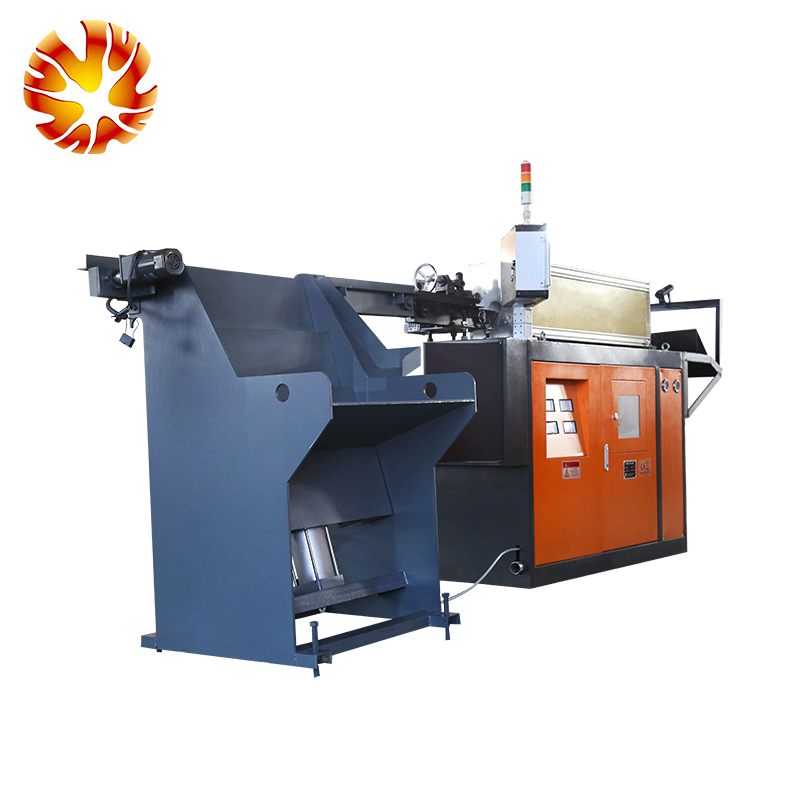
Industrial ovens and furnaces are thermal processing systems used to heat, treat, dry, cure, or melt materials under controlled temperatures for industrial applications. They are essential in industries such as metal processing, automotive manufacturing, aerospace, ceramics, electronics, and energy production. Choosing the right system directly impacts production efficiency, product quality, and operational cost.
In this guide, you will find a structured, expert-level breakdown of industrial ovens and furnaces, including types, applications, real-world use cases, pricing factors, and how to select the right equipment for your business.
What Are Industrial Ovens and Furnaces
Industrial ovens and furnaces are both heat-processing systems, but they serve different purposes based on temperature range and application.
Key Differences
| Feature | Industrial Oven | Industrial Furnace |
|---|---|---|
| Temperature Range | Up to ~500°C | 500°C to 1800°C+ |
| Application | Drying, curing, baking | Melting, forging, heat treatment |
| Heat Source | Electric, gas | Electric, gas, induction |
| Precision | Moderate | High precision thermal control |
Summary
- Ovens are used for lower temperature processes such as drying coatings or curing materials
- Furnaces are used for high-temperature processes like metal melting and heat treatment
Types of Industrial Ovens and Furnaces
Understanding the different types is critical before making a purchase decision.
Common Industrial Ovens
- Batch ovens
- Conveyor ovens
- Vacuum ovens
- Cleanroom ovens
- Drying ovens
Common Industrial Furnaces
- Induction furnaces
- Electric resistance furnaces
- Gas-fired furnaces
- Vacuum furnaces
- Melting furnaces
- Heat treatment furnaces
Example Use Case
A manufacturing plant producing automotive parts may use:
- Conveyor ovens for coating curing
- Heat treatment furnaces for hardening steel components
Key Applications Across Industries
Industrial ovens and furnaces are used across a wide range of sectors.
Metal Processing
- Heat treatment
- Annealing
- Forging
- Melting (gold, aluminum, copper)
Automotive Industry
- Paint curing
- Component hardening
- Powder coating
Aerospace
- High-precision vacuum heat treatment
- Composite material curing
Food and Pharmaceuticals
- Drying
- Sterilization
- Baking
Data Insight
According to industry reports, the global industrial furnace market is expected to exceed USD 15 billion by 2030, driven by demand in metallurgy and energy sectors.
How Industrial Furnaces Work
Industrial furnaces operate by generating and transferring heat to materials using controlled energy sources.
Heating Methods
- Electric resistance heating
- Induction heating
- Gas combustion
- Infrared heating
Heat Transfer Mechanisms
- Conduction
- Convection
- Radiation
Practical Insight
Induction furnaces are preferred for metal melting because they offer:
- Faster heating
- Energy efficiency
- Cleaner operation
Key Factors Affecting Industrial Furnace Price
Pricing varies significantly depending on configuration and capacity.
Main Cost Drivers
- Temperature range
- Furnace capacity
- Heating method
- Automation level
- Material quality
- Energy efficiency
Insight
For example, a gold melting furnace price typically ranges between:
- $1,000 – $5,000 for small-scale units
- $10,000+ for industrial-grade systems
Industrial Ovens vs Furnaces: Which One Do You Need
Choosing between ovens and furnaces depends on your production requirements.
Choose an Industrial Oven If
- Temperature is below 500°C
- You need drying or curing
- Energy cost control is important
Choose an Industrial Furnace If
- High temperature is required
- You are working with metals
- Precision heat treatment is needed
Decision Checklist
- What material are you processing
- What temperature is required
- What is your production volume
Energy Efficiency and Operating Costs
Energy consumption is a major concern in industrial heating systems.
Ways to Improve Efficiency
- Use insulation materials
- Implement heat recovery systems
- Optimize heating cycles
- Upgrade to smart control systems
Case Example
A factory upgrading to energy-efficient furnaces reduced energy consumption by 20–30% annually, significantly lowering operating costs.
How to Choose the Right Industrial Furnace Supplier
Selecting the right supplier is as important as selecting the equipment.
Key Evaluation Criteria
- Technical expertise
- Customization capability
- After-sales service
- Global export experience
- Certifications
Questions to Ask Suppliers
- What industries do you specialize in
- Can you provide case studies
- What is the maintenance cost
- What is the delivery timeline
Future Trends in Industrial Heating Equipment
The industry is rapidly evolving with new technologies.
Emerging Trends
- Smart furnaces with IoT integration
- AI-based temperature control
- Energy-efficient electric systems
- Low-emission heating technologies
Insight
Manufacturers adopting smart furnaces are seeing improved consistency and reduced downtime.
FAQ Section
1. What is the difference between industrial ovens and furnaces
Industrial ovens operate at lower temperatures for drying and curing, while furnaces handle high-temperature processes like melting and heat treatment.
2. What industries use industrial furnaces
Industries include metallurgy, automotive, aerospace, electronics, and energy.
3. How much does an industrial furnace cost
Prices range from $10,000 to over $300,000 depending on size, temperature, and customization.
4. What is the lifespan of an industrial furnace
Typically 10–20 years with proper maintenance.
5. Are electric furnaces better than gas furnaces
Electric furnaces offer better precision and environmental performance, while gas furnaces may be more cost-effective for large-scale operations.
6. What is a heat treatment furnace
It is a furnace used to alter the physical and mechanical properties of materials through controlled heating and cooling.
7. Can industrial ovens be customized
Yes, most manufacturers offer customization based on size, temperature, and application.
8. What affects furnace efficiency
Factors include insulation, control systems, heating method, and operational practices.