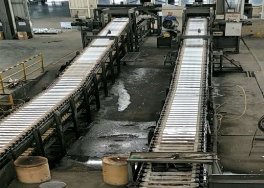
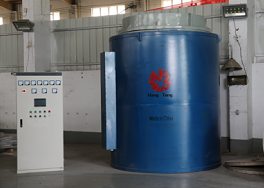
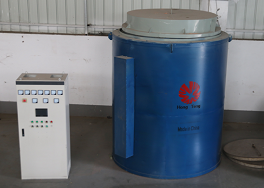
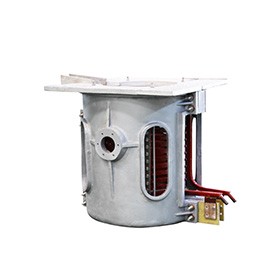
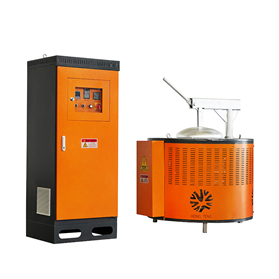
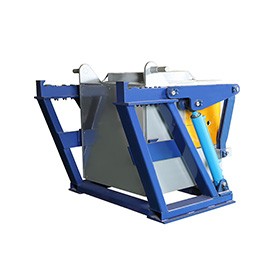
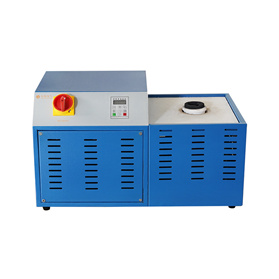
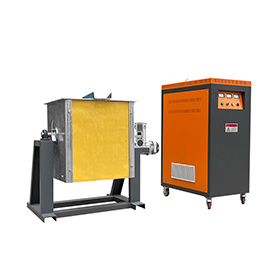
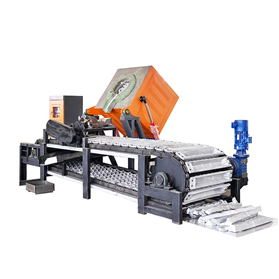
Luoyang HongtengIntermediate frequency induction furnace
Industrial Electric Muffle Furnace Model Names An industrial electric muffle furnace is a high-temperature heating system used for controlled heat treatment, material testing, metal processing, and laboratory thermal analysis. The furnace works by isolating the heating chamber from combustion gases, ensuring clean, stable, and uniform heating conditions. Industrial electric muffle furnace model names typically represent key technical characteristics, including: furnace chamber size maximum operating temperature heating element configuration power capacity control system type Understanding industrial electric muffle furnace model names helps plant managers and engineering teams quickly identify the right equipment for their production requirements. More importantly, selecting the correct furnace model directly affects energy efficiency, production stability, and long-term operational costs. What Is an Industrial Electric Muffle Furnace An industrial electric muffle furnace is a high-temperature electric heating furnace designed to process materials under controlled thermal conditions. The term muffle refers to a sealed chamber that isolates the workpiece from direct contact with heating elements or combustion gases. This design ensures: stable temperature distribution minimal contamination precise process control Industrial muffle furnaces are widely used in: metal heat treatment powder metallurgy ceramic processing materials research laboratories aerospace component manufacturing For many industrial processes, furnace temperature stability directly determines product...
Why Proper Setup Is Non-Negotiable for Induction Melting Furnace Operations Induction melting furnaces operate at extreme power densities—up to 25 kW/kg for aluminum—and failure in setup directly translates to catastrophic outcomes: coil burnout, refractory spalling, or uncontrolled arcing. A single misaligned coil (±0.6 mm instead of the required ±0.5 mm) can induce localized hot spots that reduce lining life by 40%, per User KB validation. This isn’t theoretical risk—it’s documented field failure. What This Guide Covers: Safety-First, Precision-Calibrated Deployment This guide delivers actionable, step-by-step execution—not theory. Every step integrates verified tolerances from User KB (e.g., 0.3 mm crack width limits, 4.2 bar water pressure thresholds) and maps to real-world commissioning protocols used in aluminum ingot casting lines. You’ll configure safety interlocks that meet OSHA PEL standards, calibrate feedback loops within ±0.3 kHz resonance windows, and establish performance baselines against industry benchmarks (≤0.42 kW/kg for aluminum). Who Should Use This Guide: Operators, Maintenance Technicians, and Plant Engineers If you’re responsible for deploying a furnace like those in coreless induction melting furnaces or validating systems on a 12-meter casting line with 700 mold fixtures (per User KB), this is your operational blueprint. It assumes familiarity with PLCs, analog signal scaling, and refractory physics—but explains...
Industrial Furnace Market: 2026 Shift to Electric-Only Zones Industrial Furnace Market Fundamentals: Definition & Core Drivers The industrial furnace market isn’t just about heat—it’s the thermal backbone of advanced manufacturing. A single 6T capacity fixed aluminum melting furnace, operating on natural gas, delivers a heating power of 1 million kcal and achieves a melting rate of ≥2T/h—yet consumes ≤65Nm³/t.Al while keeping raw material burn loss under 1.0%. That precision defines the market: high-stakes thermal control where energy efficiency, refractory life (≥3 years for melting furnaces), and process repeatability determine competitiveness. This isn’t legacy infrastructure—it’s mission-critical hardware enabling automotive lightweighting, aerospace titanium forging, and next-gen battery material sintering. What Constitutes the Industrial Furnace Market? (Scope & Boundaries) The industrial furnace market encompasses all engineered thermal systems designed for controlled heating above ambient temperatures in industrial production environments. It explicitly excludes domestic ovens, laboratory muffle furnaces, and non-process thermal equipment. Core scope includes melting, holding, heat treatment (annealing, tempering, normalizing), sintering, drying, and calcining applications across metals, ceramics, glass, and composites. Crucially, it covers both the furnace body and integrated control systems—including PLCs, thermocouple networks, and combustion management units—that define modern operational intelligence. Key Segments: Batch vs Continuous, Heat Treatment vs Melting vs Sintering...
Induction Steel Melting Furnace
Aluminum Induction Melting Furnace
Stainless Steel Induction Melting Furnace
Medium Frequency Gold Induction Melting Furnace
Small Medium Frequency Induction Furnace
Aluminum/Copper Ingot Continuous Casting Line
Please fill out the form below (required *), send us a short message, and we will contact you as soon as possible.
Send Message
Copyright © 2021 Luoyang Hongteng Electrical Equipment Co., Ltd.