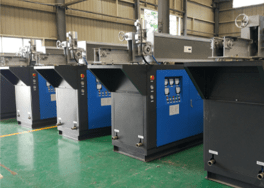
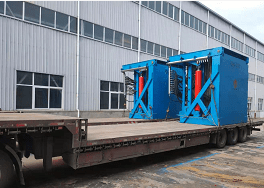
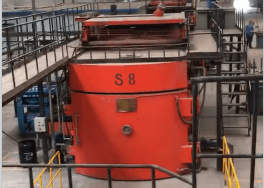
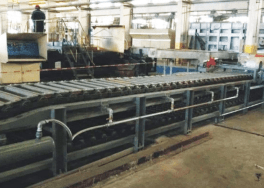
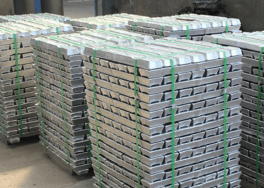
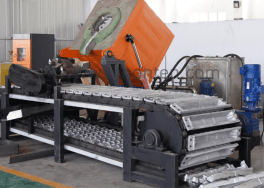
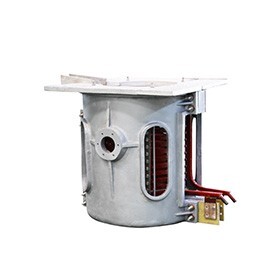
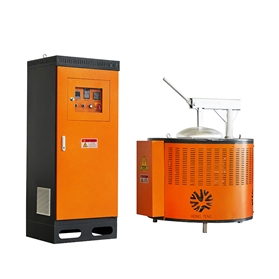
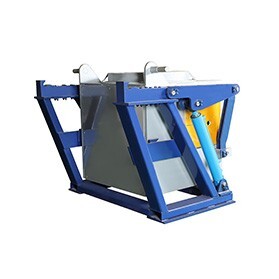
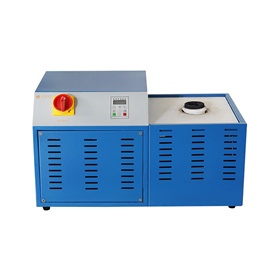
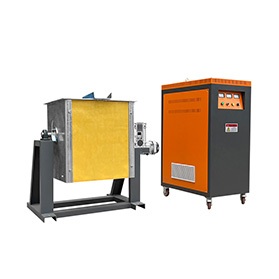
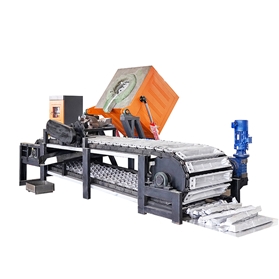
Luoyang HongtengIntermediate frequency induction furnace
Typical Industrial Electric Muffle Furnace Specifications Power An industrial electric muffle furnace is a high-temperature heating system designed to perform heat treatment, material testing, metal processing, sintering, and laboratory analysis under controlled thermal conditions. Unlike direct-flame furnaces, a muffle furnace isolates the material from combustion gases through a sealed heating chamber (muffle). This ensures a clean, controlled environment where temperature uniformity and atmosphere stability are maintained. Typical industrial electric muffle furnaces operate within power ranges from 3 kW to over 200 kW, depending on chamber size, temperature capability, and industrial application. For plant owners, engineering managers, and technical directors, understanding furnace specifications is essential because they directly impact: Energy consumption Process stability Product quality Equipment lifespan Long-term operational cost A properly engineered electric muffle furnace can reduce energy waste, stabilize thermal processes, and improve operational reliability across multiple production cycles. Power Requirements and Energy Consumption One of the most important considerations in muffle furnace selection is power consumption. Power requirements vary depending on several factors. Key Factors Affecting Furnace Power Chamber Size Larger furnace chambers require higher power to reach and maintain operating temperatures. Maximum Operating Temperature Higher temperatures demand more powerful heating elements and better insulation systems. Insulation Design...
Blast Furnace in Steel Industry A blast furnace in the steel industry is a large-scale metallurgical reactor used to convert iron ore into molten iron through high-temperature reduction using coke and hot air blast. The molten iron produced in a blast furnace is the primary raw material for steel production and is typically transferred to basic oxygen furnaces (BOF) or other steelmaking units. In modern integrated steel plants, blast furnaces operate continuously for 10–20 years without complete shutdown, producing thousands of tons of molten iron per day. For steel plant owners, general managers, and technical directors, the performance of a blast furnace determines: Plant production capacity Energy consumption levels Product quality stability Maintenance risk Long-term profitability A well-engineered blast furnace system can significantly reduce energy consumption, stabilize molten iron output, and improve overall plant efficiency. Why Blast Furnaces Remain Critical in Modern Steel Production Despite the development of electric arc furnaces, blast furnaces still dominate large-scale steel production worldwide. Approximately 70% of global steel production relies on blast furnace-based ironmaking. Blast furnaces are particularly advantageous for large integrated steel plants because they offer: Continuous high-volume production Stable metallurgical processes Efficient utilization of raw materials Consistent molten iron quality For steel...
Custom Industrial Furnace A custom industrial furnace is a thermally engineered heating system designed specifically to meet the unique process requirements of a manufacturing facility. Unlike standard furnaces, custom furnace systems are developed based on precise production conditions such as: material type processing temperature production capacity plant layout automation requirements Custom industrial furnaces are widely used in industries including: steel production aluminum processing metal heat treatment forging and casting aerospace materials automotive manufacturing For factory owners, plant managers, and engineering directors, selecting a custom furnace solution ensures greater process reliability, optimized energy consumption, and long-term operational stability. The right furnace design directly affects product quality, production efficiency, and investment return. Key Design Factors in Custom Furnace Engineering Designing a custom industrial furnace requires deep engineering expertise and practical industry experience. Several critical factors must be carefully evaluated. Thermal Efficiency Furnace insulation, burner design, and airflow management determine how efficiently heat energy is utilized. Efficient systems reduce energy consumption while maintaining stable processing temperatures. Material Compatibility Different metals and materials require specific heating environments. For example: steel heat treatment requires precise temperature ramping aluminum melting requires contamination control specialty alloys demand uniform heat distribution Custom furnace design ensures...
Induction Steel Melting Furnace
Aluminum Induction Melting Furnace
Stainless Steel Induction Melting Furnace
Medium Frequency Gold Induction Melting Furnace
Small Medium Frequency Induction Furnace
Aluminum/Copper Ingot Continuous Casting Line
Please fill out the form below (required *), send us a short message, and we will contact you as soon as possible.
Send Message
Copyright © 2021 Luoyang Hongteng Electrical Equipment Co., Ltd.