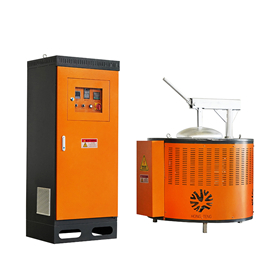
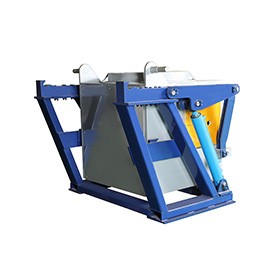
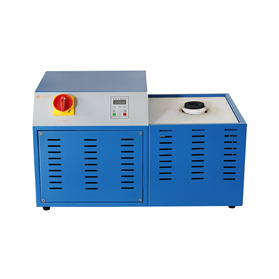
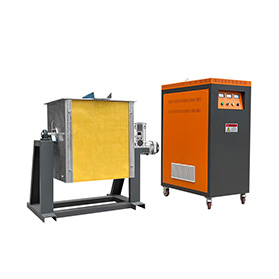
Luoyang HongtengIntermediate frequency induction furnace
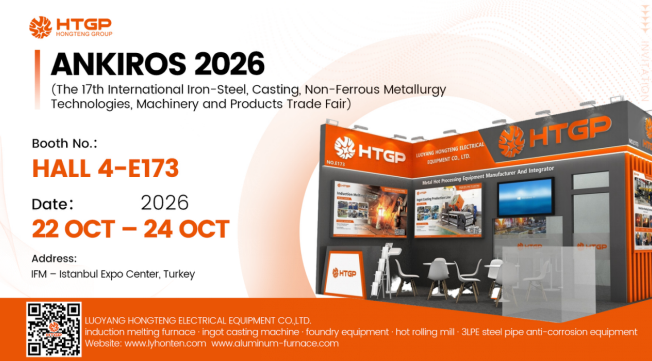
Luoyang Hongteng Electrical Equipment Co., Ltd. (HTGP) HTGP will participate in two major international exhibitions this October — FABEX Saudi Arabia 2026 in Riyadh and ANKIROS 2026 in Istanbul, Türkiye. We look forward to meeting customers and industry professionals, presenting selected equipment and components, sharing technical information and discussing project requirements face to face. FABEX Saudi Arabia 2026 Date: October 11–14, 2026 Venue: Riyadh International Convention & Exhibition Center, Saudi Arabia Booth: Hall 1 – A48 At FABEX Saudi Arabia 2026, visitors can meet our professional team, view selected HTGP equipment and components, review product catalogs and technical information, and watch real project videos. Our team will also be available for one-to-one discussions about equipment selection and specific project requirements. ANKIROS 2026 Date: October 22–24, 2026 Venue: IFM – Istanbul Expo Center, Türkiye Booth: Hall 4 – E173 At ANKIROS 2026, visitors can explore selected HTGP equipment and components, review technical specifications and product information, and communicate directly with our professional team. We welcome you to bring your project requirements and discuss suitable equipment solutions with us. HTGP at International Exhibitions HTGP regularly participates in international exhibitions to meet customers, exchange industry insights and communicate our metal hot processing...
Movable Furnace Covers, Pit Furnaces and Bogie Hearth Furnaces Structural Requirements for Movable Refractory Furnace Covers The force that the framework of a refractory brick furnace cover must withstand can be determined according to the principles used for arch roof design. The horizontal thrust, which can be calculated by multiplying the arch roof weight by the corresponding coefficient, not only produces tensile force but also tends to bend the metal framework. To resist these forces, the metal framework of a movable arch roof must be made very strong. A solid arch structure is often used for movable furnace covers on large pit-type annealing furnaces. This type of furnace cover has several features: each section is designed so that it can be pushed onto the top of another section; another feature is that one silica brick is inserted between every four fireclay bricks, which almost completely eliminates the overall expansion and contraction of the brickwork. The heating and cooling of this furnace cover have never been fast enough to damage the silica bricks. When designing a movable arch roof, convenient lifting and handling must also be considered. For this purpose, lifting holes are usually provided so that the hooks of the...
Vacuum Induction Melting Furnaces: Components, Structure & Power Supply Vacuum induction melting (VIM) systems are highly specialized metallurgical installations engineered for advanced refining, casting, and alloy fabrication. Since the 1960s, VIM technologies have played an essential role in high-precision metallurgy, mechanical component manufacturing, and specialized aerospace materials production. 1. Core System Configuration of VIM Furnaces An industrial vacuum induction melting installation relies on four main subsystems working together to maintain strict atmospheric controls and high thermal melting capacities: Furnace Body (Vessel Assembly): The structural vacuum chamber housing the primary crucible and induction assemblies. Power & Electrical Control Network: Contains the medium-frequency power supply units, capacitor banks, and regulatory electrical cabinets. Vacuum Pumping System: A series of heavy-duty mechanical, roots, or diffusion pumps designed to evacuate the chamber and remove atmospheric impurities. Water Cooling Loop: High-pressure water lines that safely cool the induction coils, chamber walls, and power feeds. 2. Specialized Power Supply Engineering Requirements The power configuration of a vacuum induction furnace is similar to a standard medium-frequency induction unit, typically utilizing medium-frequency generator sets, thyristor static inverters, or frequency multipliers. However, operating inside a vacuum introduces strict electrical constraints to ensure safe, stable operation: A. Low Low-Terminal Inductor Voltage...
Technical Principles of High-Frequency Induction Furnaces: Main Circuit and Frequency Conversion The main circuit of a high-frequency (HF) induction furnace is the core system responsible for generating the intense electromagnetic fields required for precision metal smelting. To achieve the high frequencies necessary for laboratory-grade heating, the system must undergo a complex electrical transformation. 1. Architecture of the Main Circuit The main circuit of a high-frequency induction furnace is comprised of four primary sections: Three-Phase Power Supply: Industrial 50/60 Hz source. Filter Unit: To ensure signal purity and protect the grid. Vacuum Tube Frequency Converter (HF Power Supply): The “brain” of the system. Inductor (Coil/Load): Where the actual heating takes place. The Transformation Goal: The primary function of the vacuum tube converter is to transform standard industrial 3-phase, 50Hz, 380V AC into a single-phase, 200–300kHz, 10,000V high-frequency AC. This high-voltage current is then stepped down to serve as the heating power source for the furnace. 2. The Three Stages of Frequency Conversion The conversion of standard electricity into high-frequency thermal energy involves three distinct metallurgical and electrical steps: Step 1: Power Step-up and Voltage Regulation The three-phase industrial current is filtered and fed into the primary winding of a transformer. Legacy...
Chapter 14: Safety and Environmental Conditions 14.1 Overview and Obligations of the Manufacturer Practical regulations and government decrees have been in implementation for over a century. For instance, the UK Factory Act of 1833 required the guarding of dangerous machinery. At the beginning of this century, to gradually and rationally formulate decrees, the Factory and Workshop Act (1901) was passed, which paved the way for the Electrical Regulations formulated in 1908. The purpose of these decrees was to avoid hazards in the industrial use of electricity. In 1944, these specialized regulations were expanded to cover a broader scope of operations and were incorporated into the Factories Act of 1961. Finally, in 1974, the current Health and Safety at Work Act (HSW) was enacted. These are legal provisions for use in specific settings, and it is necessary for anyone engaged in electro-thermal processes (such as induction heating) to be familiar with these decrees. The General Duties of Manufacturers (Section 6) According to Section 6 of the HSW Act 1974, entitled “General Duties of Manufacturers,” anyone who designs, manufactures, imports, or supplies products for use at work bears certain obligations. When products are used according to specified requirements, it must be ensured...
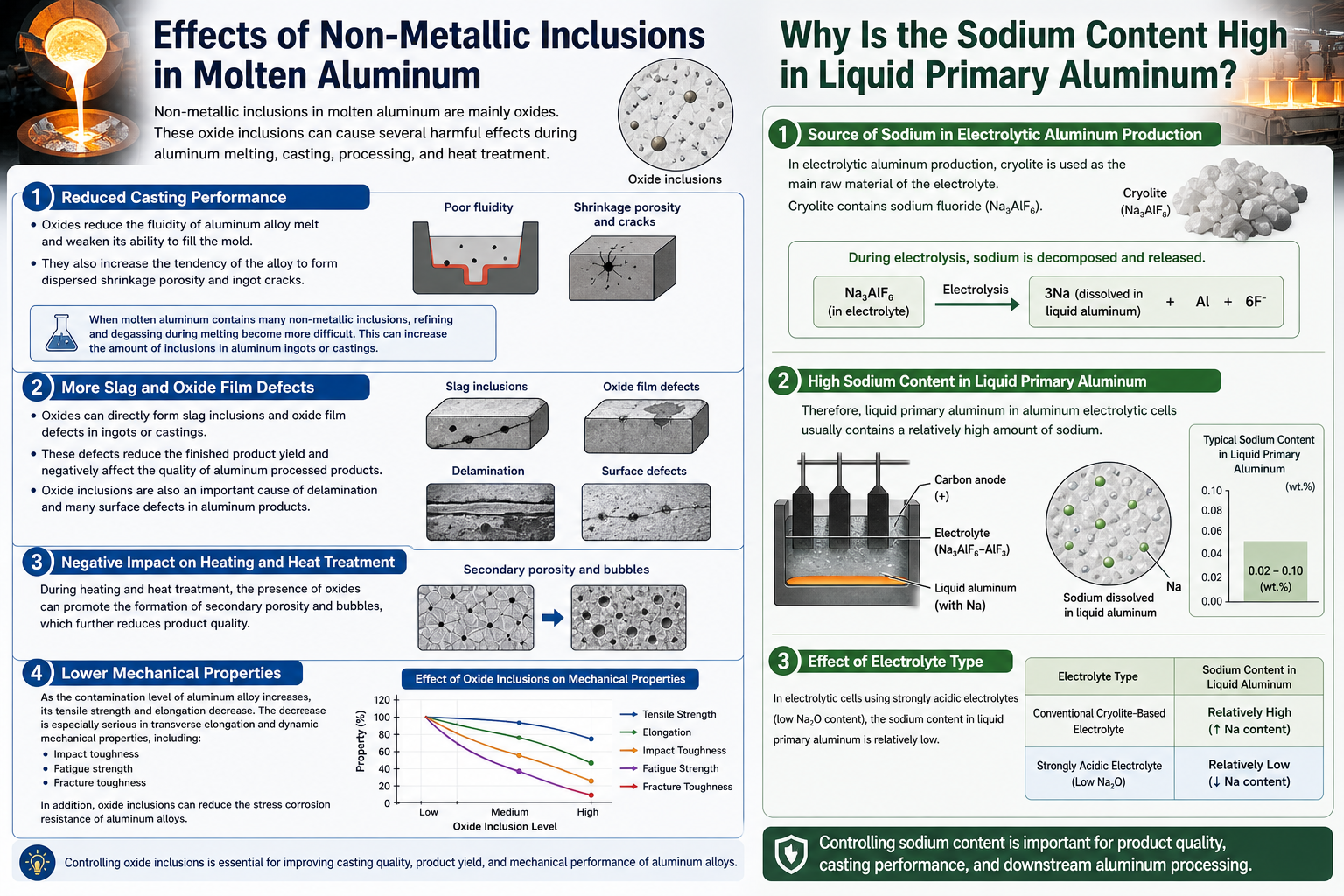
Effects of Non-Metallic Inclusions in Molten Aluminum Non-metallic inclusions in molten aluminum are mainly oxides. These oxide inclusions can cause several harmful effects during aluminum melting, casting, processing, and heat treatment. 1. Reduced Casting Performance Oxides reduce the fluidity of aluminum alloy melt and weaken its ability to fill the mold. They also increase the tendency of the alloy to form dispersed shrinkage porosity and ingot cracks. When molten aluminum contains many non-metallic inclusions, refining and degassing during melting become more difficult. This can increase the amount of inclusions in aluminum ingots or castings. 2. More Slag and Oxide Film Defects Oxides can directly form slag inclusions and oxide film defects in ingots or castings. These defects reduce the finished product yield and negatively affect the quality of aluminum processed products. Oxide inclusions are also an important cause of delamination and many surface defects in aluminum products. 3. Negative Impact on Heating and Heat Treatment During heating and heat treatment, the presence of oxides can promote the formation of secondary porosity and bubbles, which further reduces product quality. 4. Lower Mechanical Properties As the contamination level of aluminum alloy increases, its tensile strength and elongation decrease. The decrease is especially...
Induction Steel Melting Furnace
Aluminum Induction Melting Furnace
Stainless Steel Induction Melting Furnace
Medium Frequency Gold Induction Melting Furnace
Small Medium Frequency Induction Furnace
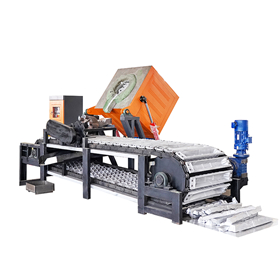
Aluminum/Copper Ingot Continuous Casting Line
Please fill out the form below (required *), send us a short message, and we will contact you as soon as possible.
Send Message
Copyright © 2026 Luoyang Hongteng Electrical Equipment Co., Ltd.